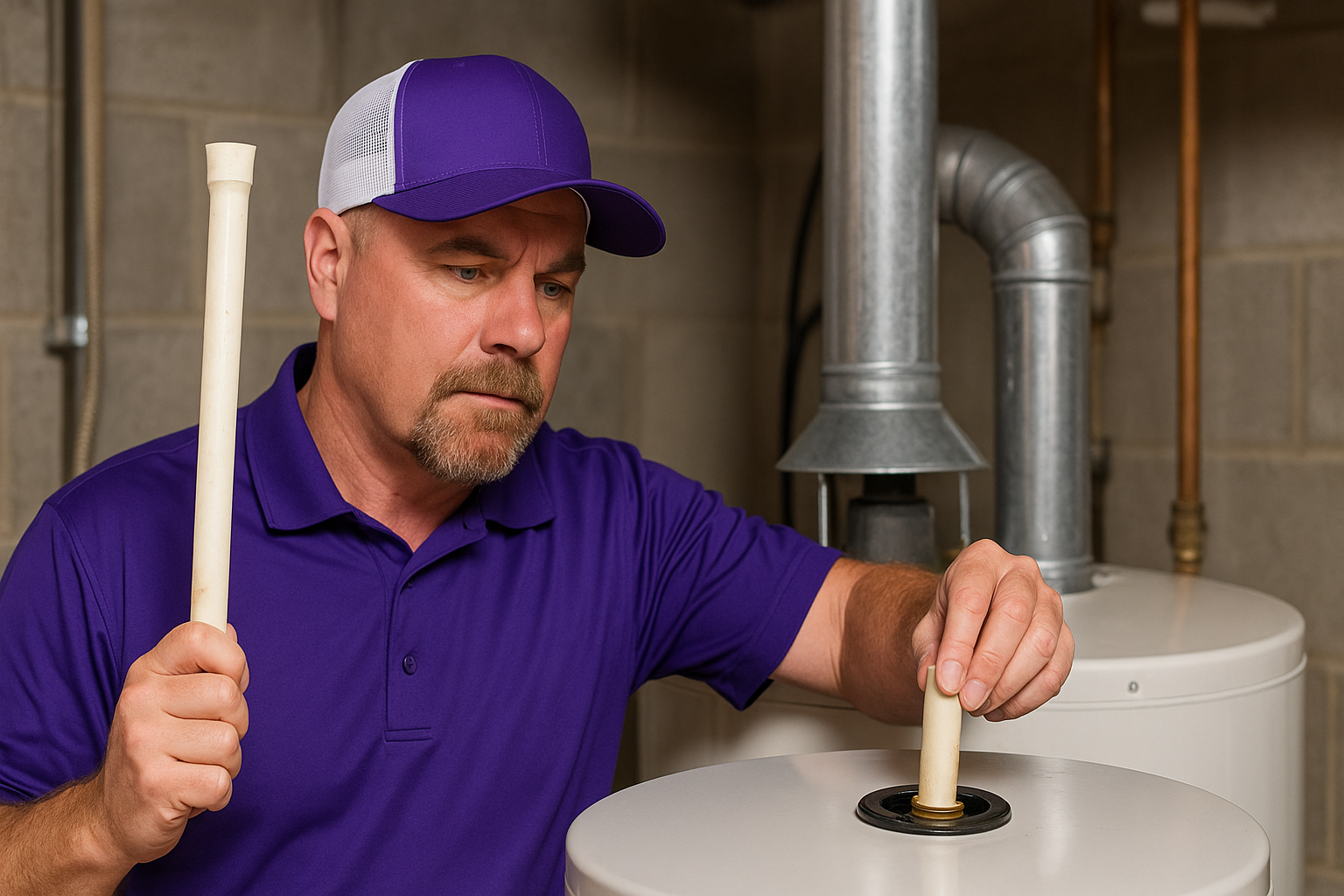
A water heater may appear simple on the surface, but when you look inside, each part plays its role. For instance, a small part, like a dip tube, plays a significant role in ensuring reliable hot water. However, as the water heater ages, the dip tube begins to show signs of deterioration. What happens next? A water heater dip tube failure, even a minor one, can turn your showers chilly and uncomfortable.
But first, let’s understand what a dip tube does.
The dip tube draws cold water to the base of the tank, near the middle of the water heater. This will allow the heater to warm the water, so you can use it when the dip tube breaks or cracks and cold water remains at the top. This mixes with the hot water, making it warm rather than actually hot.
Why Does a Water Heater Dip Tube Fail?
Here’s the thing. A dip tube does not fail overnight. It weakens gradually due to age, water quality, and heat. Below are the leading causes, explained simply.
1. Age and Material Breakdown
Most dip tubes are plastic. Hard water makes this happen even faster. According to the U.S. Geological Survey, 85 percent of homes in the United States contain hard water, and therefore, most dip tubes experience additional wear and tear.
Over the years, it may experience :
- Crack and put more strain on your system.
- Split, compromising its function.
- Get shorter, reducing efficiency.
- It can break into small pieces, leading to blockages.
2. Hard Water Damage
Calcium is one of the minerals found in hard water. These minerals accumulate on the dip tube. The tube becomes strained as the heater heats up and cools down more frequently. As time goes by, the plastic becomes frail and breaks.
High mineral levels in the water often lead to common dip tube problems in water heater systems, especially in areas where mineral deposits are prevalent.
3. Manufacturing Defects
Most of the water heaters manufactured between 1993 and 1997 hold defective polypropylene dip tubes. These dip tubes decomposed more quickly than usual, forming small white flakes of plastic. If a home still uses a heater from this range, broken dip tube signs are very likely to require water heater replacement.
4. Sediment Buildup
Sediment is not the leading cause, but it adds pressure. Mineral particles collect at the bottom of the tank or around the dip tube. Over time, the sediment can rub against the tube, causing more wear.
A dirty tank also forces the heating element to work harder. According to the Department of Energy, heaters with heavy sediment can lose up to 30 percent of their efficiency, which may also lead to heating element burnout.
5. Heat Cycling
A water heater warms and cools all day. This cycle makes the plastic dip tube expand and shrink. After years of strain, the tube may crack or fall apart.
Once the dip tube cracks or splits, the heater cannot perform well. The inefficiency then leads to significant no-hot-water dip tube issues, which confuse homeowners because the heater appears to run but never delivers enough heat.
What Happens When the Dip Tube Fails?
A broken dip tube changes how the whole heater works. Here’s what you may notice.
1. Hot Water Runs Out Fast
This is the most common sign of dip tube failure. Cold water stays at the top and mixes with hot water before it is ready. This gives you:
- Warm water instead of hot
- Short hot showers
- Longer reset time for the tank
2. Tiny White Plastic Pieces in Faucets
If the dip tube breaks apart, small white flakes can travel through your pipes. These can:
- Clog faucet screens
- Block showerheads
- Slow down the water flow
One of the clearest broken dip tube symptoms homeowners notice is a sudden drop in water temperature.
3. Uneven Water Temperature
The water may switch between warm and cold during use. This happens because cold water is not moving to the bottom, where the heating element sits.
When the dip tube fails, the water heater must work harder to maintain the temperature. This strain can damage other parts, including the heating element. If cold water keeps hitting the element directly, it may burn out early. This one can also cause a water heater heating element to burn out, leading to a complete breakdown.
How to Check for Dip Tube Problems?
Before calling for professional plumbing repair, there are a few things you can do to check whether you have a dip tube problem.
Here are simple steps homeowners often use:
- Look for plastic bits in screens or faucet aerators
- Notice if hot water runs out in 2–5 minutes
- Check if the water temperature feels uneven
- Compare your water heater age with the 1993–1997 range
If you want a deeper look, most plumbers suggest tank flushing at least once a year. This enhances heater performance and retards tube wear.
If a dip tube is broken or has missing parts, the most appropriate solution is to replace it. The replacement is cheap and can be done within less than an hour by most technicians. After replacement, hot water returns to normal right away.
Final Thoughts
A dip tube is small but essential. When it fails, the whole water heater struggles. By observing the first signs and understanding the basic causes, homeowners can address water heater dip tube failures in the future. When you wake up and there is no hot water at home, one of the wiser things you can do is to check the dip tube.
When your hot water turns warm/cold too soon, or you spot little plastic bits in your faucets, your water heater is telling you it needs help. Don’t wait for a full breakdown. RITE NOW AC • Heating • Plumbing in Denton is ready to fix the problem fast and bring steady, reliable hot water back to your home. Contact our water heater professionals at our HVAC & plumbing company in Denton, TX, now and get comfort restored the right way.