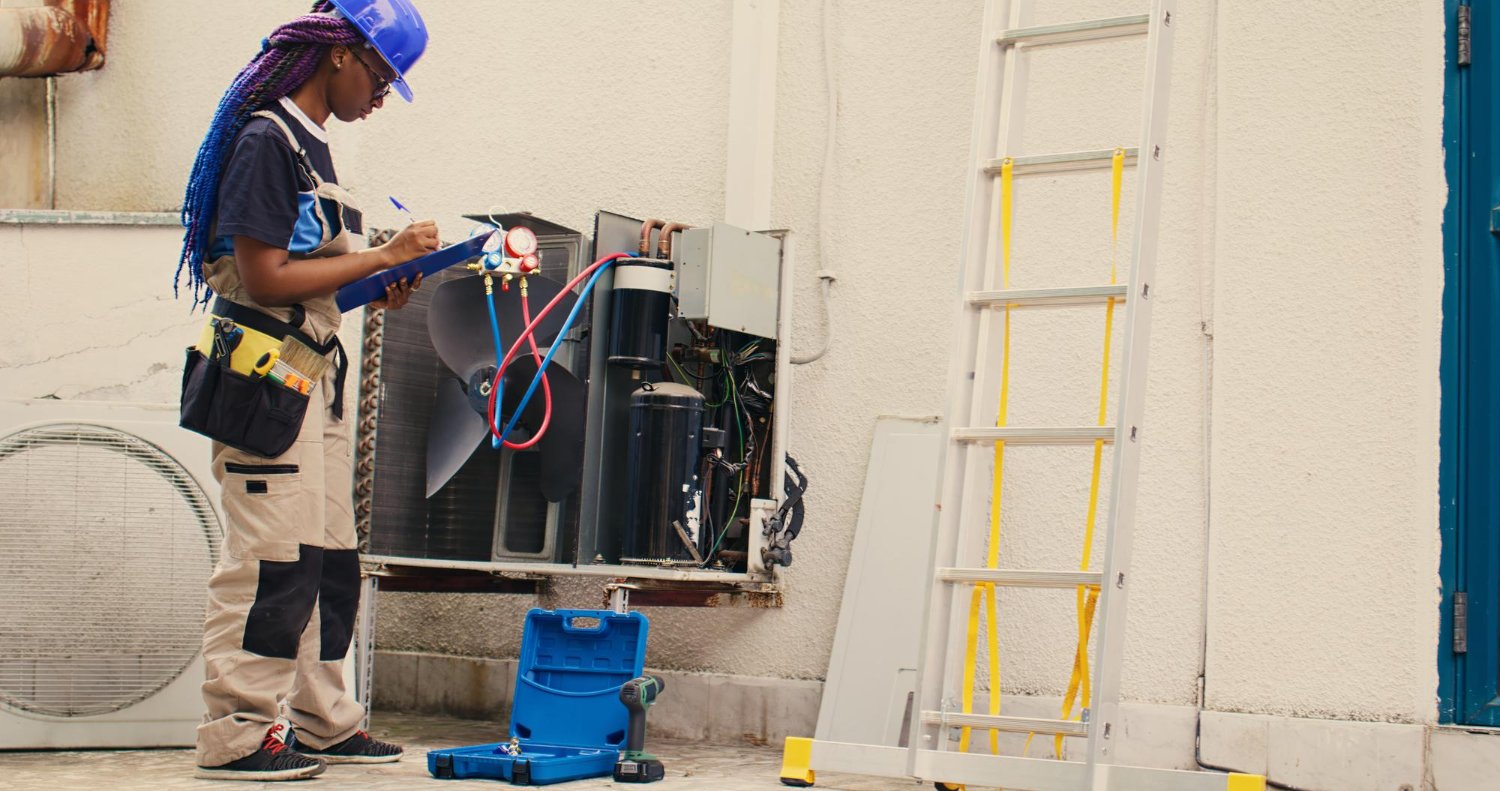
Cold spells don’t give much warning in North Texas. One week it might feel mild, and the next, a hard freeze hits overnight. That kind of quick change is exactly why it’s smart to have a dependable heating setup ready to go before winter is in full swing. If your system is old or already acting up, scheduling a heating system installation ahead of the cold can save you time, stress, and chilly nights. Planning now, instead of waiting for a breakdown, helps make sure your home stays warm every time the temperature dips.
Why Timing Matters Before the Cold Hits
When it comes to heating, waiting until January or February often means waiting in line. Many people start calling as soon as their systems stop working, and that’s usually when service schedules start backing up.
• Installing early can help avoid crowded winter schedules and delays.
• Scheduling while it’s still mild outside makes for a smoother install.
• If your system quits mid-winter, you could risk dealing with no heat and cold damage.
Getting ahead of winter lets you prepare calmly instead of rushing into quick decisions during a home emergency. When the weather drops fast, and all the heaters in the neighborhood turn on, older systems can fail under the pressure. Installing ahead of the deep cold avoids that scramble entirely. Staying on top of things gives you time to think about all your options and make sure that everything is handled on your own schedule.
Signs Your Home May Need a New Heating Setup
Not every heater needs replacing, but there are a few signs that point to it being time for a new one. Ignoring them can leave you stuck on a freezing morning, wondering what went wrong.
• If your heater makes strange noises or can’t keep the temperature steady, it may be wearing out.
• When rooms heat unevenly or take way too long to warm up, that’s often a sign of system trouble.
• Systems that are 10 to 15 years old may start costing more in repairs and energy than they’re worth.
We know it’s easy to ignore signs your system may be failing and hope the furnace hangs on, but planning ahead for something that’s already struggling usually ends up saving time and money. A new setup can work better, use less energy, and take that worry off your list for good. Newer heating systems tend to offer better performance, can operate more quietly, and often come with improved features that add to your comfort. If your current system seems to fight to reach your thermostat setting or if you’re making more calls for repair than before, it might be time to consider updating your setup.
Choosing the Right System for Your Home
Not all homes need the same kind of heating system, and picking the right one makes a big difference when winter sets in. The best way to get the right match is to have a licensed technician take a close look.
• Smaller homes or homes with newer insulation may not need as much heating power as older or larger spaces.
• A system that matches your home size helps you avoid wasting energy and still keeps all rooms warm.
• Choosing a high-efficiency system now can mean lower energy use and better comfort during the season.
It’s not just about buying something new; it’s about getting a system that fits your space and your family’s routines. We always look at how the home is set up and how much heat is really needed before recommending a new system. You can also find helpful winter energy-saving tips that go hand-in-hand with getting the right heating setup. If your old system was always blowing air but not making your home feel truly warm, it’s worth having a technician walk you through modern options. A good fit means your house heats up evenly, quickly, and stays comfortable even when temperatures swing outside. The right choice can help you breathe easier, sleep better, and worry less about your energy bills creeping up as the season wears on.
What to Expect During a Heating System Installation
Knowing what an install includes can help you plan for it without any surprises. In most cases, heating system installation only takes about a day.
• We start by getting the area ready, keeping things neat and making space to remove the old system.
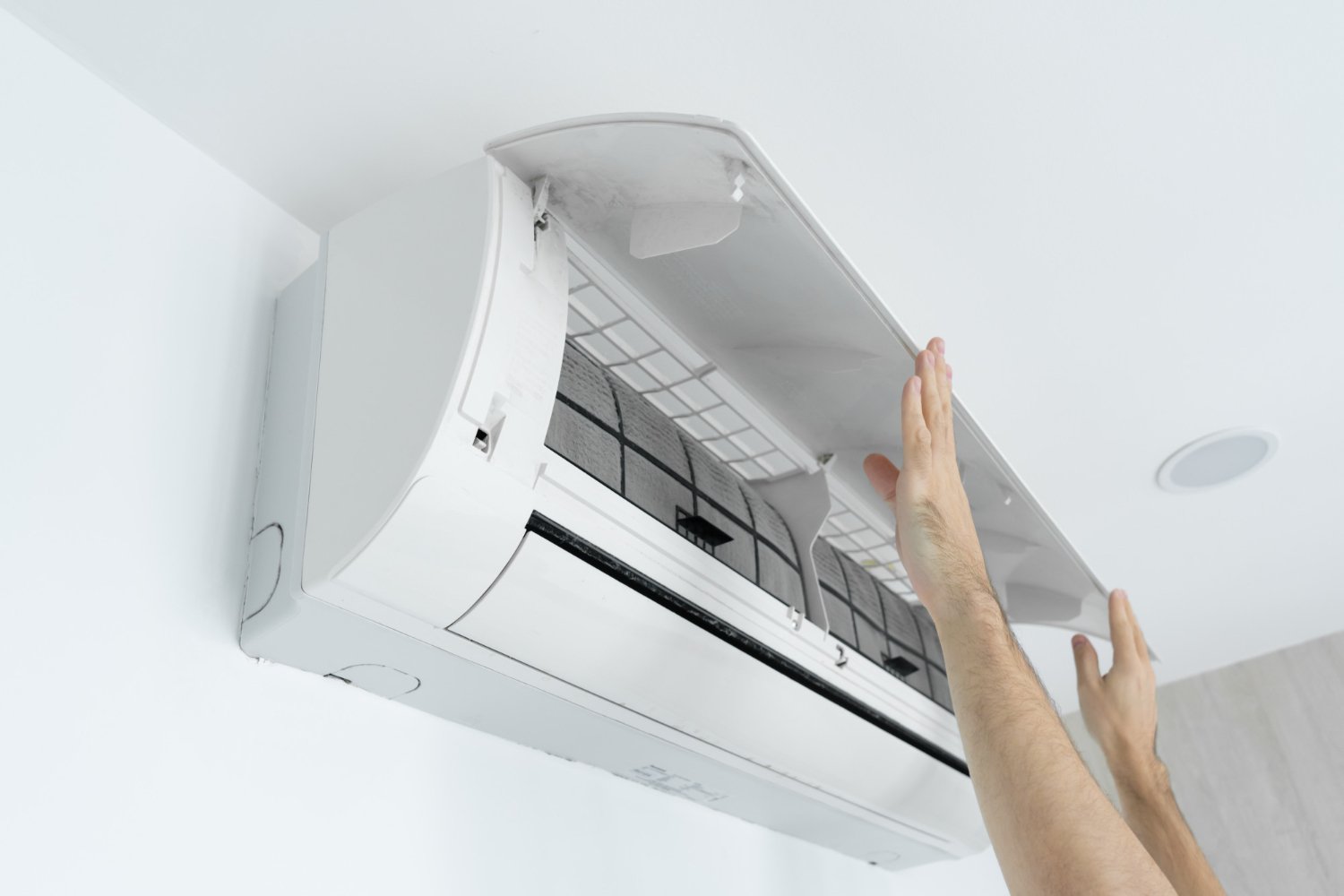
• During the install, we’ll set up the new system, connect the right lines, and check everything safely.
• Before we leave, we run a final system test and go over how it works so you feel confident using it.
You might not have heat for a few hours during the install, but we always try to keep things moving quickly. We clean up when we’re done and check that everything is running smoothly, so when the next cold front hits, you’re set. Some homeowners like to prepare the area a bit ahead of the scheduled time by moving furniture or personal items away from the heating unit’s location, making it easier for the technicians to work efficiently. If you have pets or children, it might help to keep them in another part of the home while the work is being done. Our team aims to respect your space, keep any interruptions brief, and get your house back to normal as quickly as possible. After installation, we’ll give you a full walkthrough of your new system’s controls, leaving you feeling comfortable operating your heating whenever cold weather returns.
Keeping Your New System Running Strong All Season
Once your new system is in, the best way to keep it working right is with simple yearly maintenance. A good system should last, but only if it’s looked after along the way.
• Professional seasonal maintenance helps spot small problems before they cause big issues.
• Clean filters and working parts keep airflow steady and energy use low.
• Techs can tell you if anything’s wearing out or needs fixing before you’re surprised with a breakdown.
The start of winter is a great time for that first check, and we encourage homeowners to schedule it early so you’re never caught off guard. Getting into a routine now means fewer headaches down the road. And for healthier air inside your home as the windows stay shut, it’s smart to think about how the season impacts winter weather and indoor air quality too. Newer systems with regular filter changes can make a difference for anyone with allergies or asthma since indoor air tends to get stuffy during the cold months.
Annual maintenance checks should include looking at all the system’s parts, oiling any moving bits, confirming that everything is sealed, and double-checking thermostat calibration. You might notice that filters fill up faster during periods when the heat is on constantly. That’s normal, but it means you may need to check them every month and replace them as needed. Good maintenance protects your warranty, avoids surprise failures, and keeps your home safe and comfortable year after year.
Warmth You Can Count On All Winter Long
When the temperature keeps dropping, knowing your heating is solid brings real peace of mind. Getting the heating system installed ahead of the cold helps take the stress out of the season. You won’t be wondering if it will make it through another cold spell or dealing with repairs while trying to stay warm.
The more prepared your home is, the better chance you have of staying comfortable without any sudden surprises. By planning earlier in the winter, you make sure your home stays safe, cozy, and ready for whatever weather the season brings.
FAQs
What is heating system installation?
It’s the process of removing an old heater or setting up a new one to keep your home warm.
How long does heating system installation take?
Most residential installations are completed in a day, but the exact timing depends on your home and system type.
When is the best time to install a new heating system?
Before winter arrives is best, especially in areas like Denton, where cold snaps can come on quickly.
Do I need to replace my system if it still runs?
If it’s old, noisy, or heats unevenly, a new system may work better and save energy.
What kind of heating system should I choose?
That depends on your home’s size, layout, and how often you use it. A professional can help you pick.
How often should I have my system checked after installation?
A yearly checkup is a good idea to keep it running safely and efficiently.
Will my daily routine be disrupted during installation?
There may be a few hours without heat, but installers try to keep things simple and quick.
What should I do with my old heating system?
Your service team can usually remove it and dispose of it during the install.
Can a new system improve my energy bills?
Yes, newer systems often run more efficiently than older ones that use more power.
Is installation safe to do in winter?
Yes, but doing it before the cold arrives helps avoid discomfort and emergency needs.
At Rite NOW A/C and Heating, we’re here to ensure your home remains cozy and warm all winter long. If your current system is letting you down, don’t wait until it’s too late. Secure your home’s comfort and safety with a heating system installation now. Get ahead of the rush and let our dedicated team provide you with reliable warmth before the cold front hits again. Contact our HVAC experts today at Rite NOW A/C and Heating.