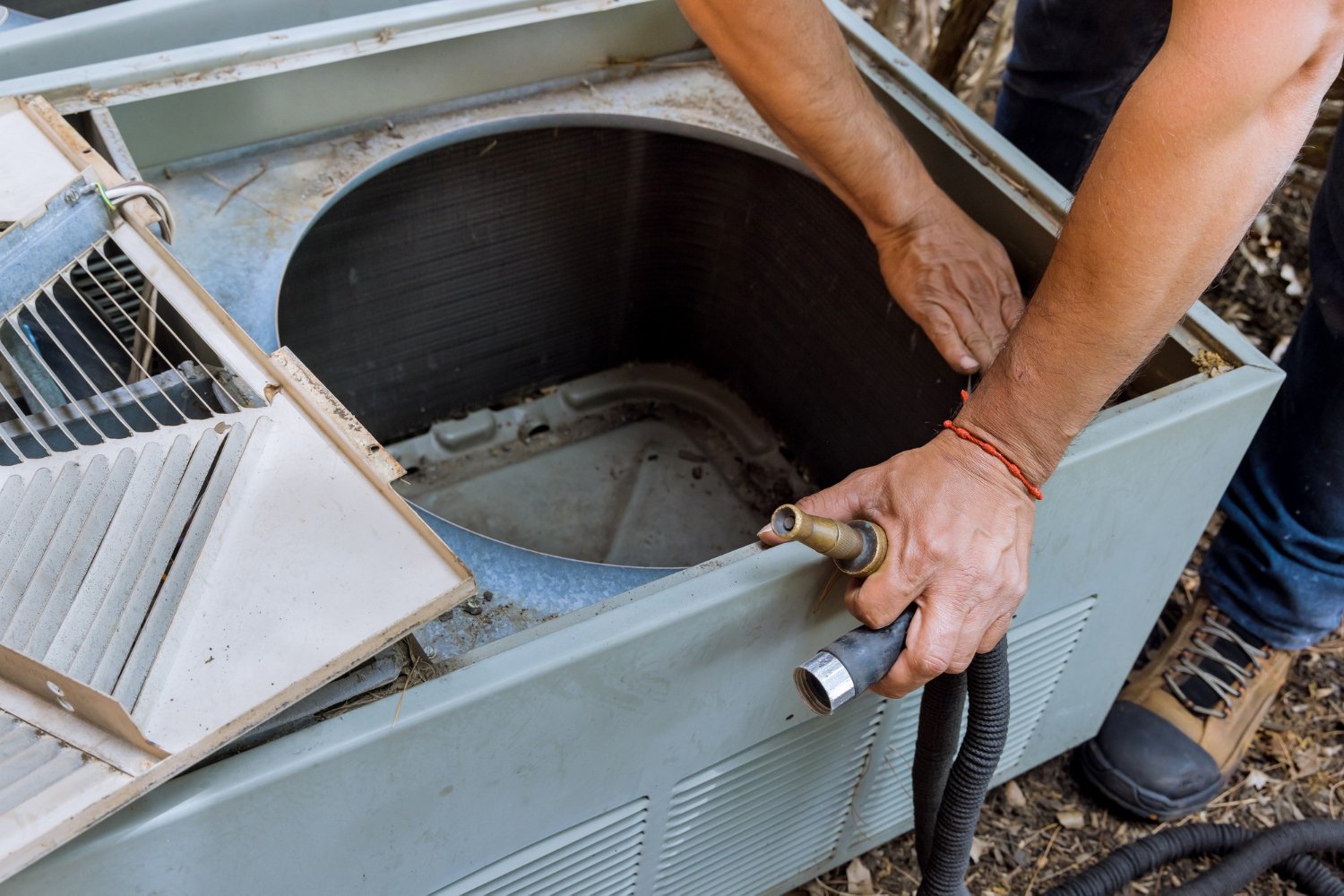
When winter mornings settle into Highland Village, it doesn’t take long to realize the heater is doing more than just warming the air. It’s keeping the whole house livable. So when things stop working the way they should, even small problems can turn into big headaches fast. Weak airflow, odd smells, or loud cycling noises aren’t just annoyances. There are signs that something is off.
Knowing how to handle heating problems early makes a big difference. And when the cold hits across nearby areas like Flower Mound, it helps to already have a plan, especially when others might be trying to line up heating repair in Flower Mound, TX, too. Let’s walk through some simple ways to stay ahead of winter heating trouble before it leaves you out in the cold.
Notice the First Signs Something’s Off
Many heating issues start with small changes. You might notice one room stays colder than the rest, or the heater keeps kicking on and off a bit too often. These small signs tend to get worse, especially during back-to-back cold nights.
• Check for uneven temperatures or cold spots that weren’t there before
• Listen for unusual sounds like rattling, buzzing, or thumping
• Watch for a heating system that turns off too quickly or runs nonstop
• Keep an eye on your energy bill; if it’s climbing without a clear reason, your system could be struggling
Strange smells, especially dusty or burning odors, should never be ignored. It might just be harmless buildup, but it could also mean something in the system needs attention. For example, it’s important to stay alert to things like cracked heat exchangers or clogged burners, both of which can affect safety (something also covered by carbon monoxide safety with heating equipment). If you notice a strong, unusual odor or a persistent burning smell, it’s a sign you should stop using the heater and get it checked. Soot around your vents or near the unit can be another warning that shouldn’t be overlooked.
Sometimes, you might catch these early warnings only when walking through the house first thing in the morning. A room feeling colder or a system making new noises may seem minor, but it often points toward a bigger problem building up behind the scenes. Even if the strange behavior stops after a while, it’s a good idea to keep track of when it happens, so you can give these details to a professional if needed.
Check the Obvious Before Calling
It’s always smart to check a few simple things before calling in help. Sometimes, the fix is easier than expected.
• Confirm your thermostat is set to heat and hasn’t been bumped or changed accidentally
• Swap out the thermostat batteries if the screen is blank or slow
• Look at your air filter; if it’s dirty or clogged, airflow can drop fast
• Peek at the circuit breaker or the switch near your unit to see if power was accidentally cut
Addressing these quick checks on your own could save time. If everything looks right but the system still isn’t working, that’s when it makes sense to take the next step. Sometimes, a heater just needs a fresh set of batteries or a reset, but if you catch problems early here, you might get the system running again without needing a professional visit.
If you recently had maintenance done or had furniture moved around, make sure all vents are open and clear. Even a small blockage can create cold spots and make you think the whole system is acting up. Checking both indoor and outdoor units for anything that might be blocking them can be a quick win as well.
Know What Should Be Left to the Pros
Some heating fixes take more than a quick inspection. Anything involving wiring, gas lines, or complex components should never be handled without the right tools and training. That’s where professional techs come in.
• If your unit isn’t firing up or the pilot light won’t stay on, it could be a gas-related issue
• Older furnaces that keep breaking down may be reaching the end of their life
• Doing major repairs yourself isn’t just risky; it can add to the damage if something goes wrong
It’s better to get help now than to face a bigger breakdown later. And in some cases, older systems that underperform might need a full upgrade, which involves complete HVAC system installation from a licensed pro.
When you call for professional help, be ready to explain what you’ve noticed, such as any patterns with the heat shutting down, noises, or smells. A clear report makes it easier for the technician to find the issue faster, helping you avoid long stretches without heat. And if your heating system uses gas, expert attention is especially important for safety.
Why Timing Makes All the Difference
January weather in Highland Village can change in an instant. One day it’s brisk, the next it’s below freezing by sunrise. That’s the kind of swing that puts real pressure on heaters, especially older ones. The longer a problem simmers, the harder it can be to get fast help when you finally call.
• Many people ask for heating repair in Flower Mound, TX, during the first serious cold snap
• Early help keeps small repair needs from growing into full breakdowns
• Scheduling ahead of a major freeze with professional HVAC maintenance means skipping long waits when lots of others are doing the same
Staying ahead of the winter surge matters more than people think. A few days of delay during peak cold can turn a minor issue into a full-blown emergency. If you’re noticing small issues, taking care of them right away prevents bigger headaches during busy times when everyone else is needing HVAC service too. Fast action means your family stays comfortable, and you avoid lengthy waits that come with last-minute calls.
Sometimes, a heating issue might seem minor or easy to ignore, but waiting to fix it risks making things worse. With the weather in Texas being so unpredictable, having repairs done quickly ensures you won’t be surprised by a sudden drop in temperature and a heater that won’t turn on.
Stay Comfortable with Smart Maintenance Habits
Prevention is one of the easiest ways to keep your heater running right through the cold months. It doesn’t require a lot. Just a few small habits before winter hits and during the season can go a long way.
• Keep areas clear around indoor and outdoor units so airflow isn’t blocked by boxes or debris
• Book inspections before temperatures drop deeply, that’s when the system works its hardest
• Replace filters every month or two when the heater is running often
• Pay attention to new sounds, weak airflow, or systems that run differently than last year
If you’re not sure where to start, the Department of Energy also offers simple home heating system maintenance tips to help homeowners spot changes early and avoid bigger issues later on.
You can also make a note of when you last changed the filter or had your system checked. Keeping a schedule helps you stay on top of seasonal chores and small maintenance steps. Staying aware of changes in how your system runs or how it sounds when starting up can help you spot something unusual faster. When in doubt, reach out for professional help to make sure all parts are working as they should.
If you live in a busy household, involving everyone in these habits can make a difference. Remind family members to keep vents clear and avoid piling up storage around your system. Over time, these little habits can add up and keep your heater running more smoothly.
Keep the Heat Flowing Without the Stress
Texas winters might not be long, but when they hit, they hit fast. Staying warm doesn’t have to feel like a constant project. Paying attention to warning signs, tackling basic checks, and knowing when to hand things off to professionals helps take the stress out of staying cozy.
With a little prep and some smart habits, your home can stay comfortable no matter what the weather does. Whether you’re in Highland Village or nearby towns like Flower Mound, keeping your heater ready for action means fewer surprises when the next cold snap blows through. Taking these steps not only protects your comfort but also helps prevent emergency calls and unnecessary worry. Even through changing weather, a proactive approach gives you peace of mind all season long.
FAQs
What’s the most common heating issue in winter?
Clogged filters or worn-out thermostats are the usual culprits behind heater trouble.
Should I fix my heater myself?
You can check the basics, but leave the real repairs to licensed techs for safety.
How do I know if it’s time to replace my heating system?
If it’s over 10 years old and breaks often, it might be time to start thinking about replacement.
Why is one room colder than the others?
Blocked vents, dirty filters, or issues in the ducts could be the cause.
Is it bad to run the heater when it’s acting up?
Yes, using a heater with problems can lead to bigger damage or safety risks.
How often should I check my air filter?
Once a month during winter, especially if the heat’s running every day.
Why does my heater smell funny when it comes on?
Dust can burn off and cause smells, but if it lasts, it needs a closer look.
Can cold weather cause heating systems to fail?
Yes, sudden temperature drops can overload older or poorly maintained systems.
What’s a safe indoor temp when it’s freezing outside?
Most people set theirs between 68 and 72 degrees to stay warm and save energy.
When should I schedule a furnace check-up?
Late fall or early winter is the best time, before steady cold weather sets in.
Winter can be tough on heating systems, especially as temperatures drop in places like Flower Mound. If you’ve been hearing strange noises or noticing uneven heat distribution, now’s the time to get ahead of the issue. At Rite NOW A/C and Heating, we specialize in keeping your home cozy with swift and efficient heating repair in Flower Mound, TX. Don’t let minor problems snowball into major breakdowns— contact our HVAC experts today for quality repairs.