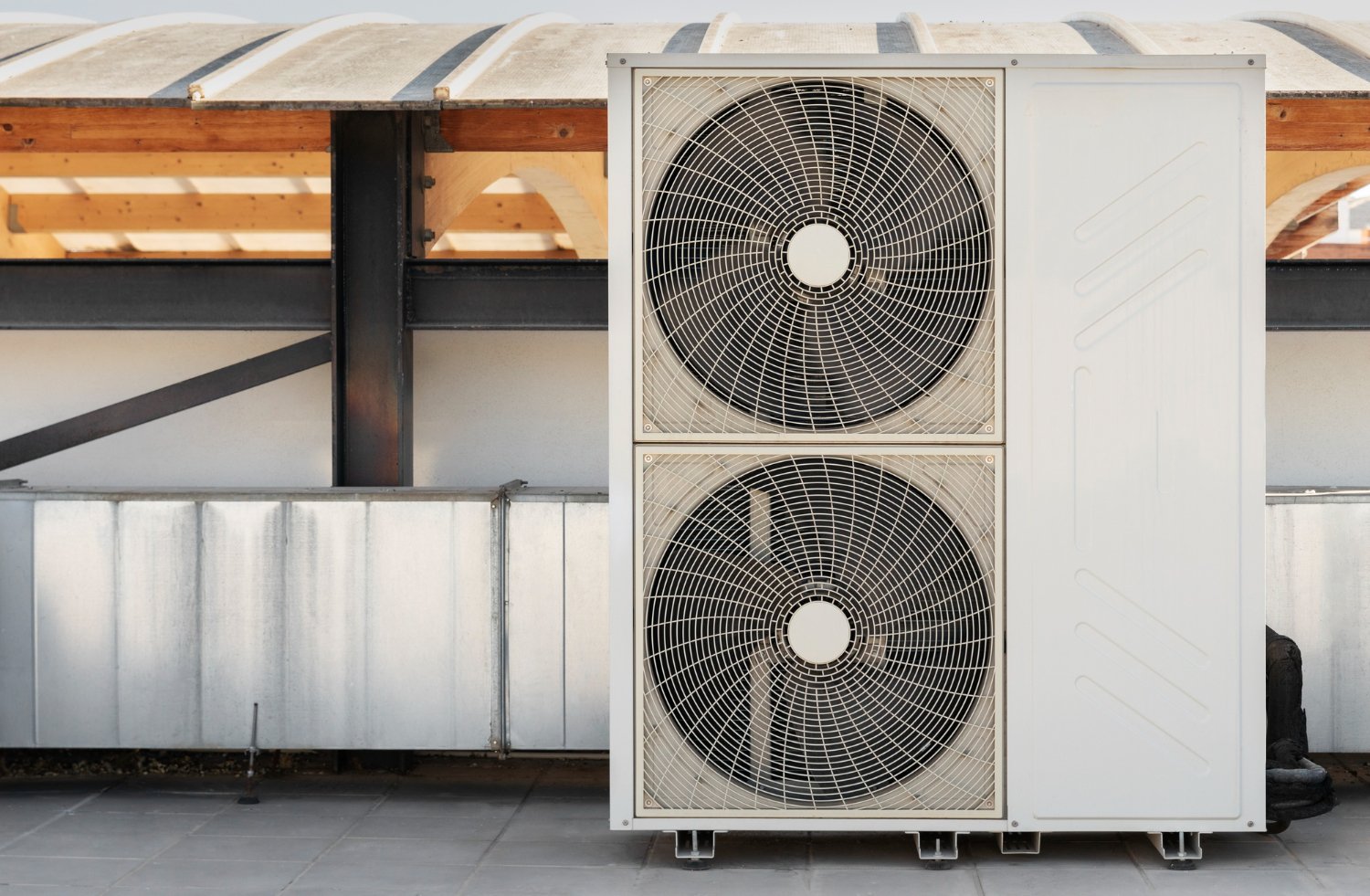
In North Texas, the weather doesn’t always follow the calendar. One day might feel like late fall, the next like deep winter. This kind of temperature swing can catch your home’s heating system off guard. That’s why a solid North Texas HVAC setup matters most right when you need it to work the hardest.
Making it through January without unexpected problems starts with understanding what your system is up against. From mild afternoons to freezing nights, heating systems in North Texas deal with a lot in just a single week. We’ll walk through how cold weather tests your HVAC, what signs mean it’s time for help, and how to keep things running steady when the chill sets in.
What Cold Weather Does to HVAC Systems
When cold spells show up quickly, HVAC systems can feel the pressure. Even newer systems can struggle, and older ones are even more likely to show their age and require heating repair or replacement.
• Those sudden drops in temperature make your system work overtime, which can wear out older parts fast.
• A rattling vent or strange bang might be overlooked at first, but when it’s cold, those small noises often mean something’s not running right
• If your heater sat unused for much of the fall, turning it on full-time can stir up problems that haven’t shown up before
Sharp weather shifts, which are common in January, create cycles of stop-go heating. This not only affects comfort but also puts stress on motors, thermostats, and airflow. If something in your system already isn’t at 100 percent, winter is when you’ll notice.
Why HVAC Maintenance Should Happen Before Winter Hits
The cold doesn’t wait until it’s convenient. That’s why we always think ahead when it comes to system checks and heating prep.
• Fixing small issues early can save you from losing heat during a run of freezing nights
• When a system gets a winter tune-up, it can start faster, run more smoothly, and keep the house at a more comfortable level
• A clean filter and steady airflow do more than boost efficiency; they help heat spread more evenly from room to room
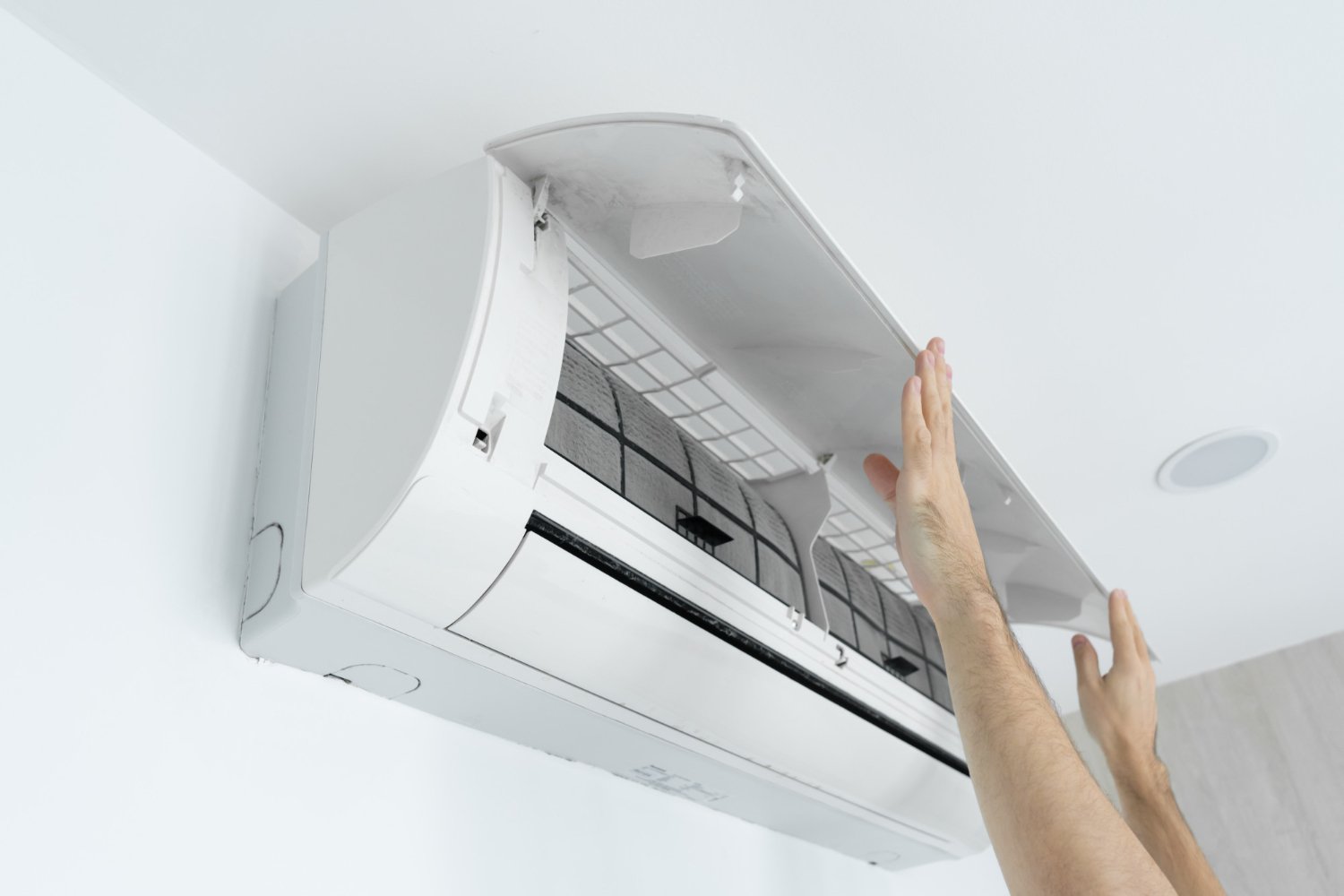
We’ve seen too often how small fixes become big breakdowns when left unchecked. A bent fan blade or dirty burner might not seem like much now, but during a cold snap, those small problems can stop your warm air dead in its tracks. Regular HVAC maintenance and tune-ups are one of the best ways to prevent that from happening.
Signs Your Heating System Needs Attention
It doesn’t take an expert to tell when something isn’t working right; you just have to listen to what your home is telling you.
• If your heater kicks on but doesn’t warm the house very well, it may be running weak or not cycling long enough
• When vents blow air that’s barely warm or rooms heat unevenly, your airflow could be blocked or reduced
• Banging, screeching, clicking, or burning smells from your unit should never be ignored
All HVAC systems make a little noise during startup, but if the usual soft hum turns into something louder or unusual, it’s time to look closer. The same goes for short cycling or sudden shut-offs. Both can point to safety sensors tripping, which should be handled right away during winter. For issues like weak airflow or strange odors, AC repair services can often get things back on track before the problem gets worse.
Local Heating Needs in North Texas Homes
Not every region has to deal with fast-changing weather like North Texas. That local pattern plays a big role in how homes stay warm.
• Many houses across the area have older ductwork or patchy insulation that lets warm air leak out or cold air slip in
• Weather in North Texas often flips between mild and freezing in a matter of days, making it harder for systems to find a rhythm
• Home design choices like window size, roof shape, and attic airflow can affect how heat moves through the house
Local HVAC systems don’t just have to be strong; they have to be flexible. They need to work when it’s 35 degrees in the morning and 65 by the afternoon. That’s why smart preparation, like following winter heating maintenance tips, can help make sure your setup handles the shifts.
Smart Habits That Keep Heat Running Smoothly
Sometimes the biggest difference is made by the small stuff. A few habits can go a long way when trying to keep your home heat steady.
• Listen to your system and get to know what its normal sounds and cycles feel like
• Check your vents often to make sure they aren’t blocked by furniture, rugs, or dust
• Replace filters regularly and pay attention to how long it takes your home to warm up after turning on the heat
Something as simple as a slow start or a weaker airflow from one vent can be an early warning. When you’re in the habit of checking, you tend to catch things before they stop your system from working. Small changes in comfort usually mean the system has already started to struggle. It’s also worth knowing how winter weather and indoor air quality go hand in hand, especially if your home starts to feel stale during the colder months.
Stay Comfortable All Winter Long
Heating systems in North Texas don’t just deal with the cold. They take on the highs and lows of a region that doesn’t always follow a steady pattern. That’s why prepping your home before the worst cold sets in can make for a smoother winter.
Getting your HVAC checked before deep freezes show up is a smart move. But even once the cold has arrived, there’s still time to stay ahead of serious issues. Catching odd smells, strange sounds, or slow warm-ups early often makes the difference between a quick fix and a full system breakdown. Paying attention now helps keep your home comfortable, safe, and running the way it should through the season.
FAQs
1. How does North Texas weather affect HVAC systems?
Sudden weather changes can stress the system, especially if it hasn’t run much yet. This can lead to uneven heating and faster wear.
2. When should I schedule HVAC maintenance?
It’s best to do it in late fall or early winter, before cold weather sets in full-time.
3. Why does my heater shut on and off so often?
That’s called short cycling, and it usually means your system is struggling to work properly.
4. Should I be worried if some rooms feel colder?
Yes, that could mean a vent, duct, or airflow problem that needs checking.
5. What does a burning smell mean when my heater starts up?
It could just be dust burning off, but if it lasts more than a few minutes, call a technician.
6. Can I still use my heater if it’s making weird sounds?
It’s not a good idea; strange noises often mean loose parts or motor trouble.
7. How do I know if it’s time to replace my system?
If it’s older and keeps needing repairs or doesn’t warm evenly anymore, it might be time.
8. Does regular maintenance really make a big difference?
Yes, it helps your system last longer, work better, and avoid mid-season issues.
9. What kind of filter should I use in winter?
Use a clean filter rated for your system, and check it monthly.
10. Is it normal for heating to take a while to kick in?
Not really, if the system is slow to start warming up, it might need repair.
Cold weather can stress even the best heating systems, but at Rite NOW A/C and Heating, we’re here to ensure your home stays cozy no matter what. If your heater is struggling or making unusual noises, it might indicate a deeper issue. Trust our expertise to keep you comfortable with top-notch North Texas HVAC solutions that get your system back on track. Don’t let a small problem turn into a big headache this winter; contact our HVAC experts today.