
If your home’s air conditioner had a tough time keeping up last summer, now’s the perfect chance to think about a replacement. Even though it’s still cool out in Denton, Texas, spring arrives early here, and the heat can come on fast. Winter is a smart time to plan ahead, while your AC isn’t running every day. A residential AC replacement done before the busy season can help avoid future breakdowns and make sure your home is ready when those first 90-degree days sneak up.
We’ll walk through some clear signs your system might be past its prime, what to expect during replacement, and why winter is one of the easiest times to take care of it all.
Knowing When It’s Time to Replace Your AC
Not all issues mean you need a new system right away, but there are a few signs that point toward a full replacement rather than another repair.
• If your AC struggles to cool the house evenly or never seems to hit the temperature you set, that’s a red flag.
• Low airflow or noisy operation might point to bigger problems that will only get worse over time.
• Needing repairs every season, or seeing higher bills even with minimal use, likely means the unit is wearing out.
Homes built 15 to 20 years ago around Denton often still run on their original AC. Older systems are more likely to break down during the first real heat wave of the season. If you’re unsure if yours is past its prime, take a moment to check out the when to replace your air conditioner guide for more helpful signs. Planning for replacement now, while it’s calm and cool, gives you more control over scheduling and decisions.
What to Expect During a Residential AC Replacement
When it’s time for a residential AC replacement, most of the process happens in one day, but a little prep goes a long way.
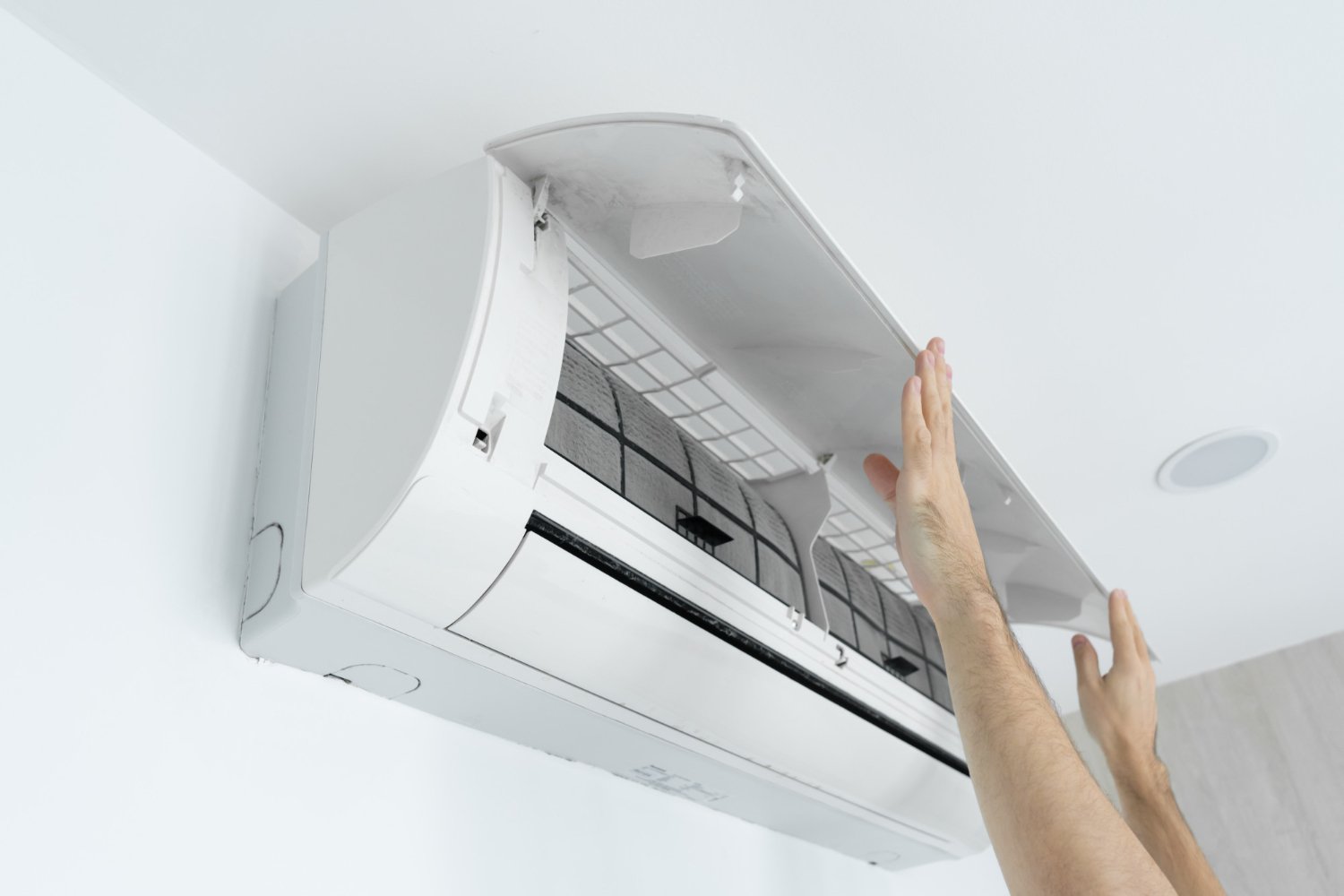
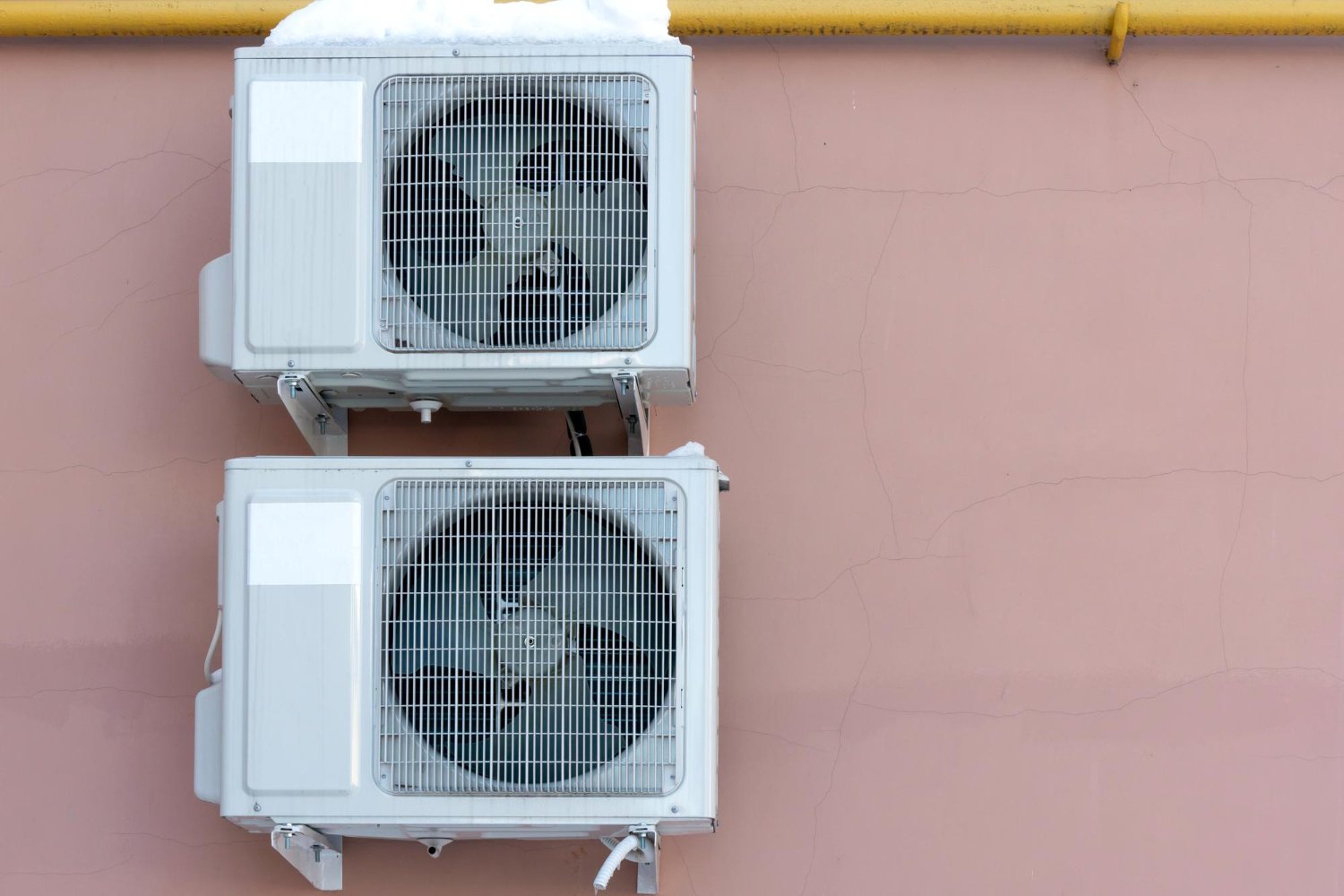
• Be ready to clear access to both the indoor and outdoor units. Technicians will need space to remove the old system and install the new one.
• Expect some choices to come up, especially around size, features, and efficiency. The wrong-sized system can lead to long-term issues, so it’s worth getting that part right.
• Professionals will often inspect ductwork, thermostat placement, and system layout to avoid future headaches.
We take time up front to make sure the replacement is the right fit, not just a swap. Getting it done now means you won’t be sweating when scheduling fills up during the spring rush.
Why Timing and Weather Matter
Winter in North Texas brings milder days, which makes it a good window for bigger home projects like AC replacement. Once spring starts, temperatures shoot up fast, and so does demand for service.
• Milder weather makes the install more comfortable with less pressure to get it done fast.
• Cooler conditions help ensure a smooth test run after the air conditioning installation, before the heat really kicks in.
• Backyards and soil around outdoor units are usually more stable in winter, making it easier to work on those units.
Early spring storms and heat waves in Denton can often arrive by late March. Planning now keeps you from risking a downed unit when every household in town is scrambling to call for help.
Choosing the Right System for Your Home
Every house is built a bit differently, and your new AC should match your home’s size and setup.
• Square footage, ceiling height, and how well the house is sealed all make a difference.
• Systems that are too big or too small can cycle incorrectly, wear out faster, or leave rooms uncomfortable.
• Having a tech measure and check your current system helps pick something better balanced.
In North Texas, older homes may have ductwork or insulation that doesn’t play well with newer AC models. Getting the setup right now avoids surprises later, when you’re relying on that AC every day. A proper fit also helps keep energy use lower when the heat settles in. You can look into energy efficiency guidelines for central air conditioning to learn how proper size and SEER ratings make a difference long-term.
What Homeowners Can Do to Keep New ACs in Great Shape
Once your new AC is in and running, a few easy habits can help protect that investment and keep things working well.
• Change filters often, especially during spring and summer when the system runs more.
• Watch for airflow changes or noises and schedule a seasonal inspection if something feels different.
• Make sure your outdoor unit is free of branches, dirt, and weeds so it doesn’t get blocked.
Texas weather can swing fast, and pollen or dust storms aren’t rare. Having a new AC doesn’t mean you can set it and forget it. A little care now can delay repairs and keep the system cooling strong for years. For extra peace of mind, check out our seasonal preventative maintenance services designed to keep systems running right.
Keep Your Cool by Planning Ahead
Getting ahead of residential AC replacement while it’s still winter gives you more time to choose equipment that really fits your home. It lets you install on your schedule and test everything while temperatures are still mild. And it means you won’t end up stuck sweating through a heat wave while waiting for an opening on the calendar.
In Denton, Texas, spring comes in early and hot. So if your system showed signs of age last summer or you had to call for help more than once, now’s the time to start thinking about what’s next. Planning in the off-season may be the simplest way to beat the rush and stay cool when the heat hits.
FAQs
How do I know when it’s time to replace my AC?
If your system struggles to cool, needs frequent repairs, or is over 10 to 15 years old, it might be time for a replacement.
Is winter a good time for AC replacement?
Yes. It’s easier to schedule work, temperatures are mild, and you avoid the spring installation rush.
What happens during a residential AC replacement?
A technician removes the old system, installs the new one, checks airflow and settings, and tests the unit to make sure it runs properly.
How long does residential AC replacement take?
Most replacements can be done in one day, depending on the setup and any added work like duct adjustments.
Does timing really affect the replacement?
Yes. Cooler weather puts less pressure on the system and gives more flexibility for installs and testing.
What should I do before getting my AC replaced?
Clear space around units, think about features that matter to you, and have your current system checked by a licensed technician.
Will a bigger AC cool better?
Not always. If it’s too big, it may turn on and off too often, which can lead to uneven cooling and faster wear.
How can I keep my new AC running well?
Change filters often, keep debris away from the outside unit, and schedule seasonal check-ins.
What if my house is older with old ductwork?
Have it checked during the planning phase. Older ducts may need adjustment or sealing for the best airflow.
Why plan my AC replacement in January or February?
You’ll avoid peak-season delays, have more scheduling options, and be fully ready when spring heat shows up.
Ensure your home stays comfortable as the Texas heat rolls in by planning your residential AC replacement now. With Rite NOW A/C and Heating, you’ll benefit from a seamless installation that minimizes stress and maximizes efficiency. By acting during the quieter winter months, you’ll not only beat the spring rush but also secure peace of mind knowing your cooling system is ready to tackle the hottest days ahead. Contact the AC replacement experts at Rite NOW A/C and Heating today to prepare your home for a cool, carefree season.