Beat Denton’s First Heat Wave Without Losing Your Cool
When Denton hits that first triple-digit week, AC problems go from annoying to serious very fast. The house heats up, the thermostat climbs, and everyone gets cranky. Knowing what to check before a technician arrives can protect your system and keep your home safer while you wait.
A few smart steps with your thermostat, breaker, and airflow can fix simple issues, prevent damage, and help you explain what is going on when you request AC repair in Denton, TX. It also helps you decide if you are dealing with a true emergency or something that can wait for regular business hours and regular rates. We will walk through quick checks, float switches and drains, what really counts as an emergency, what to expect from after-hours service, and how to prep your home for a smoother visit.
Quick Checks Before You Call: Thermostat, Power, Airflow
Start with the easiest things first. Many “broken AC” calls turn out to be settings or airflow problems, not major parts failures.
Thermostat sanity check:
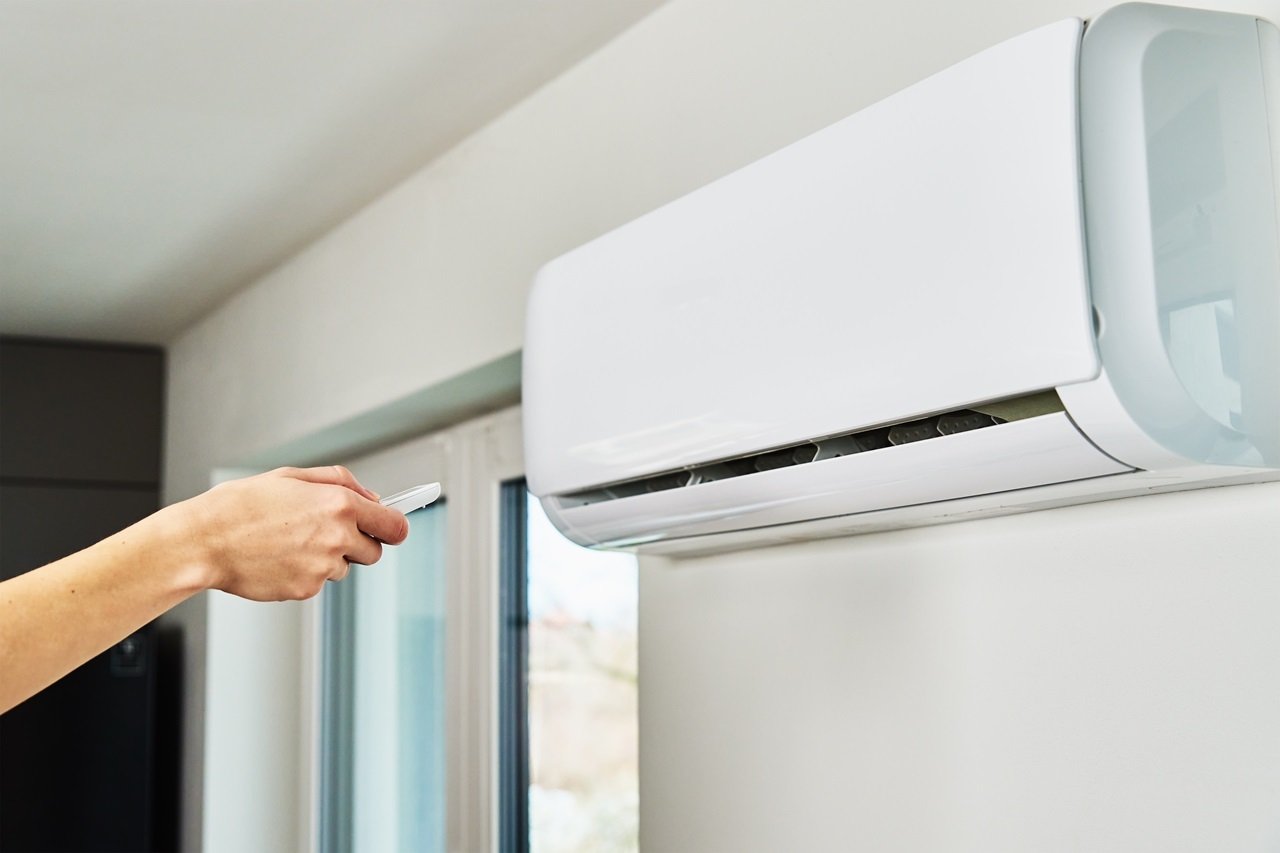
Make sure your thermostat is actually telling the system to cool.
- Set the mode to “Cool,” not “Heat” or “Off.”
- Set the fan to “Auto,” not “On,” so the blower is not just pushing warm air
- Set the temperature at least 3 to 5 degrees below the current indoor temperature
- If your thermostat uses batteries, swap them if the screen is dim or blank
If the display is totally dead, that alone can stop your AC from running.
Power and breaker basics:
Next, confirm your AC has power. Carefully find your main electrical panel and check for a tripped breaker labeled for the AC or air handler. If it is in the middle or “off” position, you can:
- Turn it fully to “Off,” then back to “On,” one time only
- Step back and listen for normal start-up from the indoor and outdoor units
Stop right there if:
- The breaker trips again
- You hear buzzing from the panel
- You smell something burning
Do not repeatedly flip breakers or pull the outdoor disconnect. That can make an HVAC repair less difficult and less safe.
Filters, vents, and basic airflow:
Poor airflow can make a healthy system act like it is dying.
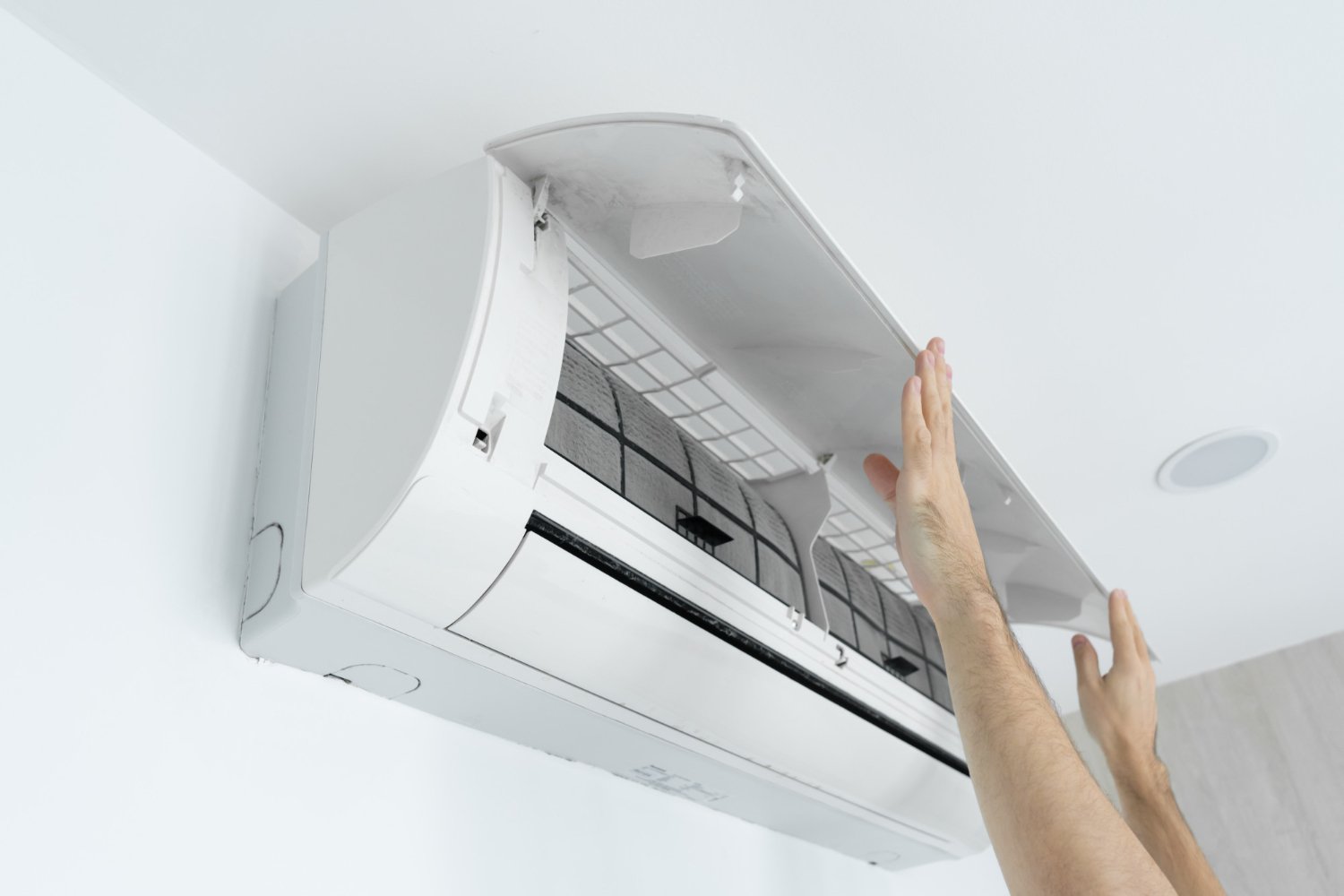
- Slide out your air filter and check for thick dust, hair, or visible dirt
- Replace dirty 1-inch filters during heavy summer use about every month
- Check supply vents to be sure they are open, not closed or hidden under rugs or furniture
These quick steps often fix weak cooling or low airflow. Even if they do not solve everything, telling the technician what you checked will speed up your AC repair in Denton, TX.
Float Switches, Drain Lines, and When Your AC Is Saving Itself
Modern AC systems are built with safety in mind. One of the quiet heroes is the float switch.
What a float switch does:
Your indoor unit creates condensation that drains into a pan and then out through a small drain line. When that drain clogs, the pan fills. The float switch is a small device that senses this rising water and shuts the system down to protect your home from leaks.
Common signs that a float switch may be tripped:
- Thermostat looks normal, but there is no cool air
- The blower or fan may run, but the outdoor unit does not
- Everything is off, even though the settings look right
In our humid North Texas heat, this shutdown can keep an attic or closet from turning into a waterfall.
Safe homeowner checks around the drain:
You might find your indoor unit in the attic, a hallway closet, or the garage. Near it, you may see a shallow metal pan.
- Standing water in that pan
- Rust, algae, or gunk around the drain line
- Water trickling from the drain outlet outside the house
You can gently soak up water in the pan with towels or a wet/dry vac, then note how quickly it returns. Deeper cleaning, clearing, and drain repairs should be left to a pro. If you ever have related plumbing concerns, our team also handles drains and sewers, and you can learn more on our drains and sewers page.
When to call right away. Do not wait if:
- Water is overflowing the pan
- You see stains on ceilings or walls
- The float switch trips again soon after you clear the water
- The metal pan looks badly rusted or corroded
Sharing what you see, such as how full the pan is or where water is showing up, helps your technician arrive ready.
What Really Counts as an AC Emergency in North Texas Heat
Not every hot house is a true emergency, but some are.
Real emergencies that should not wait
Treat it as urgent if:
- There is no cooling, and someone elderly, very young, or medically fragile is in the home
- You smell burning or see smoke from vents or equipment
- You see sparks, hear popping from electrical parts, or breakers will not reset
- Water is actively leaking and threatening ceilings, walls, or floors
In those cases, shut the system off and get help as soon as you can.
Urgent but often safe to wait. These are stressful, but usually not unsafe for a short time:
- Some rooms are warmer, but the system still cools overall
- You hear rattles or whistling, but no metal grinding or burning smell
- The thermostat acts up, but you can still keep the temperature at a safe level with fans and blinds
If you are on the fence, a quick phone conversation with a trained team can help you decide.
Cost, comfort, and safety trade-offs:
After-hours and weekend visits often include an extra fee because on-call work affects staffing and overtime. It is usually worth using emergency HVAC service when comfort and health are at risk or when electrical or water damage is possible. Honest guidance over the phone should help you choose the safest and most sensible option.
After-Hours Service Expectations in Denton’s First Heat Wave
When that first heat wave hits, after-hours service can get busy. Knowing what to expect makes the wait easier.
What happens when you call after hours?
You may reach an answering service or an on-call dispatcher first.
Be ready with:
- Your address and the best callback number
- The age or rough age of your system, if you know it
- What you have already checked, like breakers or filters
- Whether you notice burning smells, smoke, or active water leaks
Clear details help the on-call tech prioritize who needs help first.
What your technician can do at night. At night, the priority is safety and basic cooling.
Sometimes that means:
- Getting the system running safely, even if the “perfect” fix comes the next day
- Using temporary parts or workarounds when full parts are not available until the morning
- Working in hot attics or tight spaces with lighting and protection for your home
The goal is steady, safe comfort, not just a quick patch.
How to prep your home before the tech arrives
You can make things smoother by:
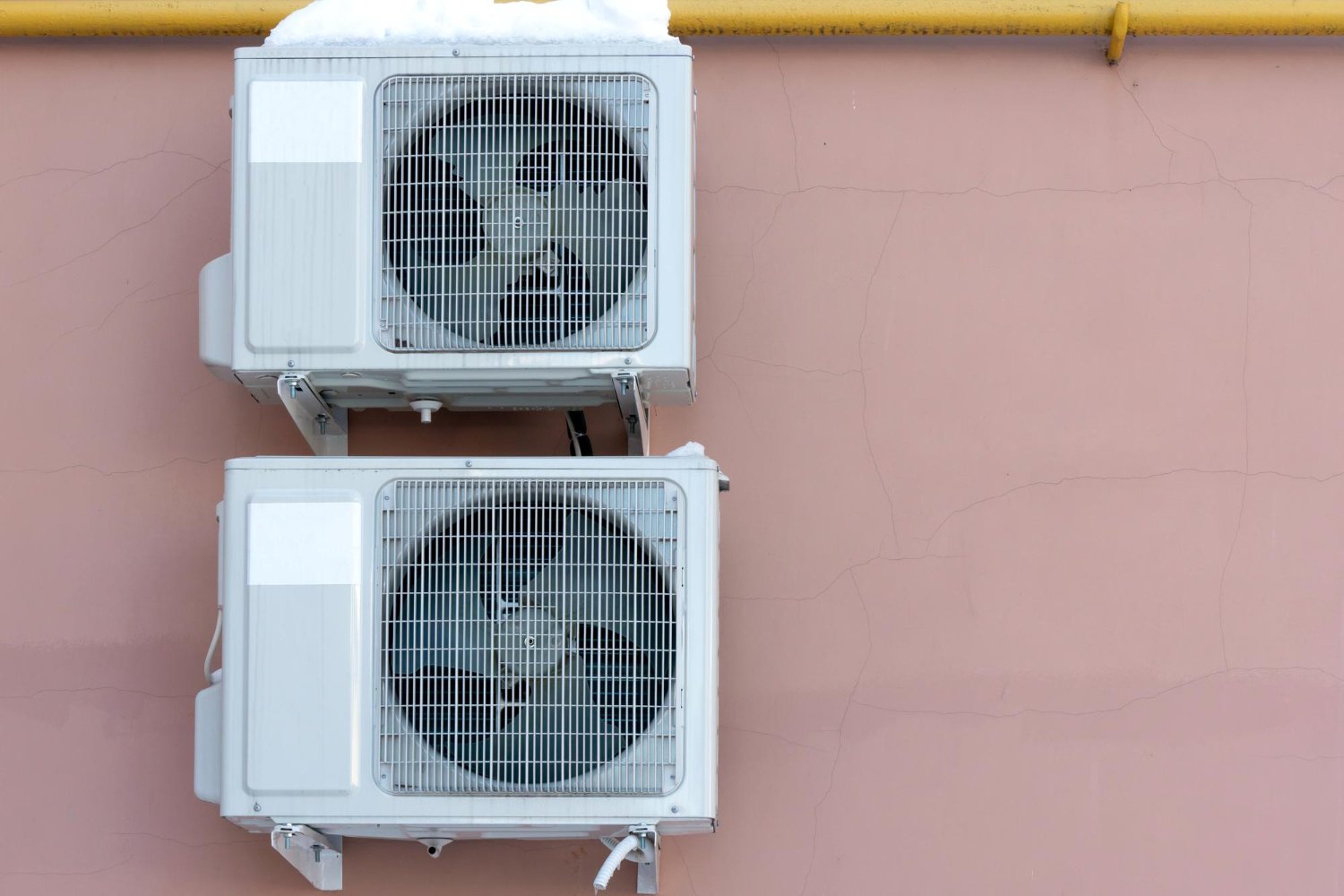
- Clearing a path to the thermostat, indoor unit, and outdoor condenser
- Unlocking gates and securing pets in a safe room
- Making sure an adult is home to approve work
To hang onto what cool air you have, close blinds, shut exterior doors, and use ceiling fans set to blow air downward. Avoid using the oven and big heat-making appliances if you can. If you are also waiting on hot water service at some point, you can read about options at our water heater installation page.
FAQs About Emergency AC Repair in Denton, TX
It is an emergency if there is no safe way to keep the home cool enough for everyone’s health, or if you see signs of fire risk or serious water damage. If the system still cools somewhat and there are no leaks, smoke, or burning smells, it often can wait for regular hours. When in doubt, a quick call for guidance is smart.
Running a struggling AC can lead to frozen coils, extra strain on the compressor, and higher energy use. If the air is barely cool, or you see ice on the lines or unit, turn it off and let it thaw, then get service.
Avoid opening electrical panels, handling refrigerant lines, or bypassing safety devices like float switches. Those jobs should only be done by trained technicians.
A tripping breaker can point to short circuits, failing motors or compressors, weak breakers, or wiring issues. Repeated resets are not safe and can damage equipment, so stop resetting and get professional help.
For standard 1-inch filters, many homes do well with a fresh filter about every 30 days in heavy use. Homes with pets, allergies, or lots of dust may need changes more often. If the filter looks gray or you cannot see light through it, it is overdue.
Yes. A clogged filter chokes airflow, which can cause coils to freeze, lower cooling, or trigger safety shutdowns. The result can look just like a bigger breakdown.
Most companies use an extra after-hours fee on top of the normal repair cost. The exact total depends on what is wrong and what parts are needed. You usually get a clear explanation once the issue is found.
Close blinds and curtains, use ceiling and box fans, keep exterior doors shut, and avoid using the oven or dryer if possible. Drink plenty of water and, if it gets too warm, spend time in the coolest room in the home.
The fact that a visit is after hours does not usually affect warranties. Problems can arise if unlicensed people work on the system or if recommended maintenance is skipped, so stick with trained professionals.
Regular professional maintenance, clean filters, and keeping the outdoor unit clear of debris go a long way. Calling early at the first sign of strange noises, weak cooling, or water where it does not belong can turn a potential emergency into a simple repair.
Restore Comfortable Cooling To Your Home Today
If your system is struggling to keep up or has stopped working altogether, we are ready to help with reliable AC repair in Denton, TX. At Rite NOW A/C, Heating & Plumbing, our technicians quickly diagnose the problem and focus on solutions that keep your home safe, comfortable, and efficient. Reach out to us today through our scheduling page or contact our HVAC repair professionals to schedule service or request a fast estimate. We will help you get your cooling back on track as soon as possible.