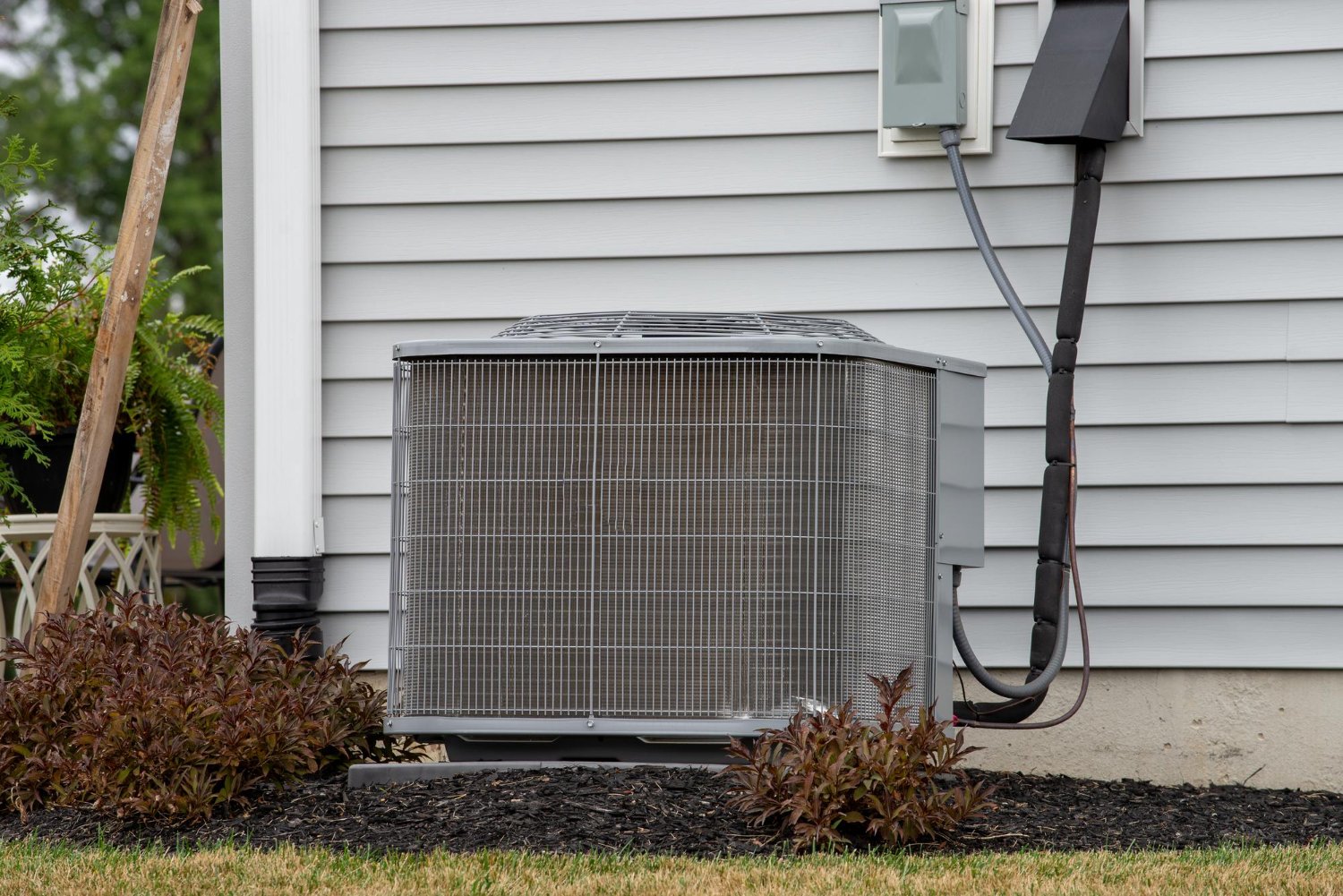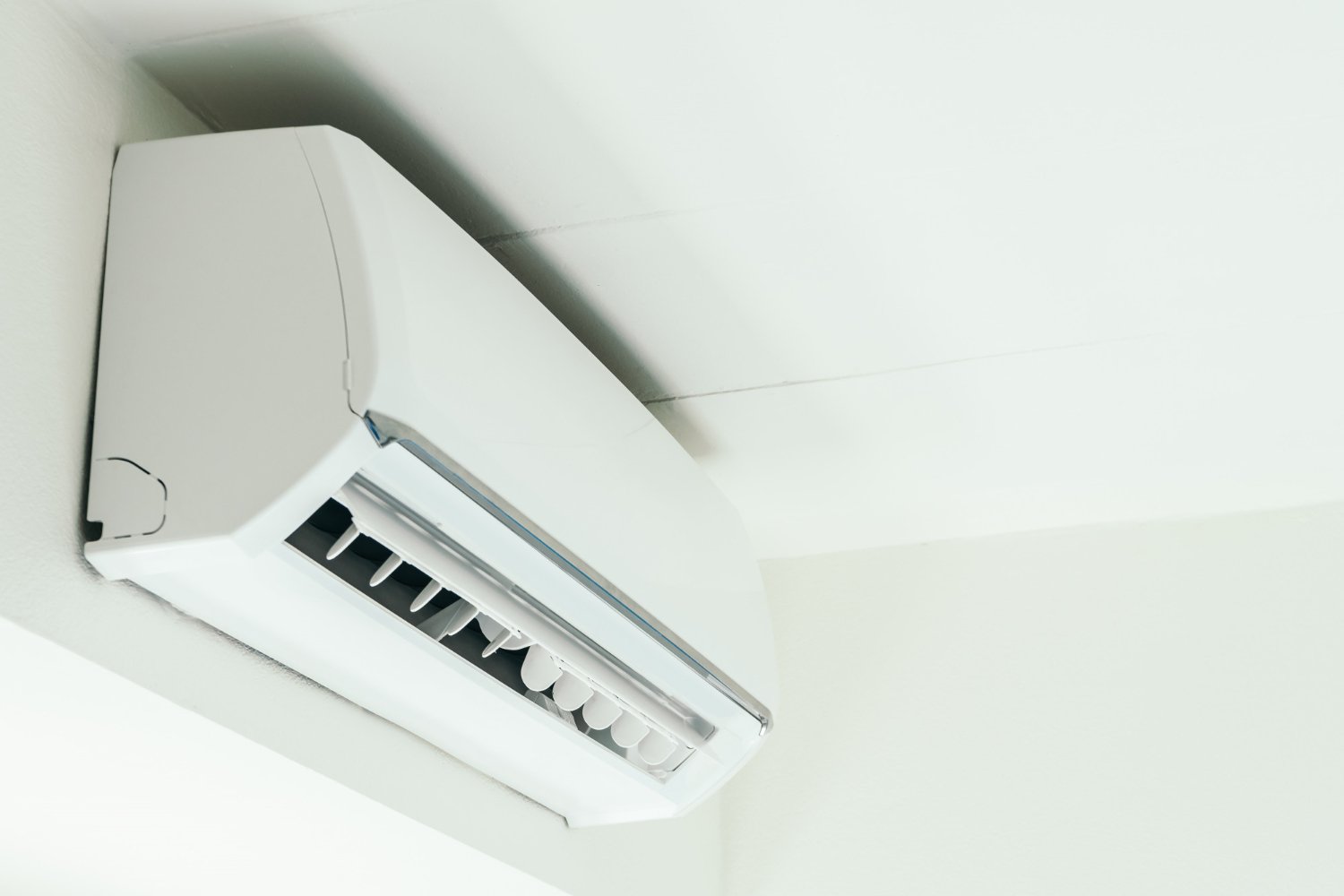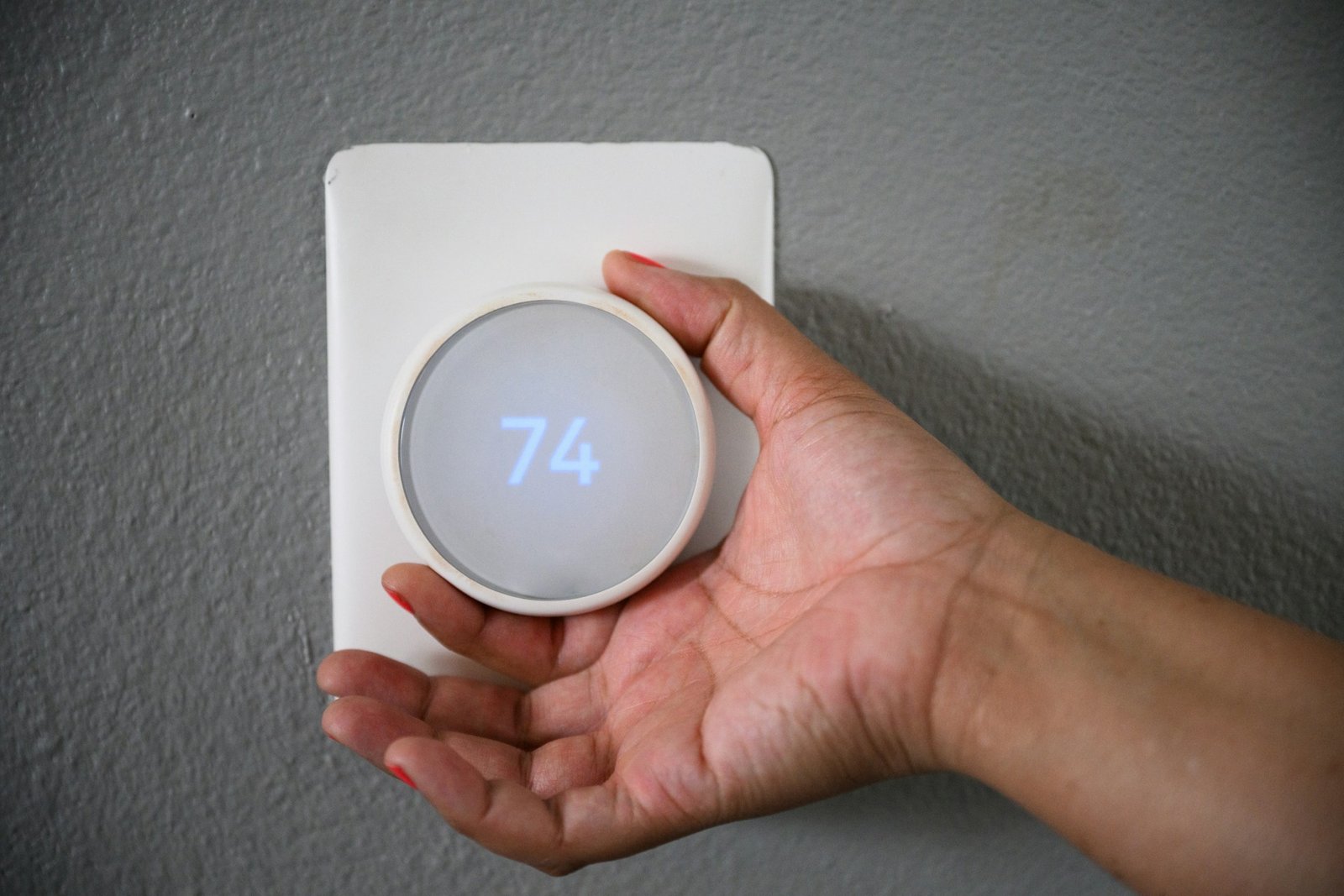

In winter, how your home feels often comes down to one thing: whether your heat and airflow are working as they should. North Texas heating and air systems play a big part in keeping things steady when the weather outside can flip between warm and freezing in a single week. That swing is common in this part of the state, which means your heating and cooling system isn’t just for comfort; it’s part of how you keep your home running smoothly.
A reliable system helps keep every room cozy, the air moving, and energy bills more predictable. But it’s not just about warmth. It’s about control, knowing when the next cold front will hit and trusting your system to handle it without hiccups.
How North Texas Winters Affect Home Comfort
North Texas weather doesn’t follow the same rules as states farther north. Winters here come with mild afternoons and sudden dips overnight. Sometimes it’s sunny and 60, then just a day or two later, pipes are at risk of freezing. That back-and-forth puts a lot of pressure on equipment designed to maintain an even indoor temperature.
Older systems or ones that haven’t been maintained may not switch between heating and cooling efficiently. When the temperature outdoors changes quickly, your heating system has to respond just as fast. In homes where systems haven’t been tuned up in a while, these shifts can reveal problems that weren’t noticeable before, such as noisy operation, rooms that never warm up, or air that feels stale no matter how long the heater runs. This is where regular HVAC maintenance and seasonal service can really make a difference.
It’s these moments, when winter weather sneaks in fast, that test how ready your system is to keep up.
Why a Balanced Heating and Air System Matters
Keeping a steady indoor temperature has a bigger effect than people think. It helps everyone sleep better, prevents pipes from freezing, and makes simple things like cooking or doing laundry more comfortable. But keeping that temperature steady takes more than just hitting the thermostat.
- Your furnace and air handler have to work together to move air evenly.
- Ducts need to be sealed to avoid air leaks and islands of cold in bedrooms or living rooms.
- Airflow problems, dry air, and fluctuating room temperatures are all signs your system may not be balanced.
Good airflow helps prevent pressure buildups and avoids that dry, scratchy feel that sometimes comes with running the heat all day. Without that balance, you’re likely to experience hot and cold spots, which can lead to adjusting the thermostat more often and putting extra strain on your equipment.
Often, you may not notice these issues until the weather changes quickly. That’s when an unbalanced system is most likely to cause uneven warmth, drafts, or cold pockets that just don’t seem to go away. By paying attention to these signs, you have a better chance of fixing problems early and keeping things comfortable for everyone in your home.
Signs Your System May Need Attention
Most homeowners know when something feels off, even if they can’t pinpoint exactly what it is. Spotting those signs early keeps small problems from turning into major winter headaches.
- You hear frequent clicking, unusual buzzing, or rattling when the heat kicks on.
- Your energy bill jumps, even though your usage habits haven’t changed.
- Some rooms stay cold no matter how high you turn up the thermostat.
- The heat runs in short bursts and shuts off too soon (called short cycling).
These issues tend to show up during the first few cold snaps of the season. They often start small but can lead to bigger problems like system breakdowns if ignored for too long, which could lead you to needing AC repair services when you least expect it.
Another thing to watch for is if the temperature in your home feels different from room to room or you start noticing new smells when the heat turns on. This could mean there’s an issue with airflow, dirty ducts, or even a problem with the filter that needs fixing. Staying alert to even little changes can help you solve problems before they cause real trouble in winter.
How Professional Maintenance Keeps Systems Running
Getting your heating system checked before peak winter can help avoid surprise breakdowns. A typical winter maintenance visit includes cleaning the system, checking electrical connections, inspecting the blower, and changing filters. These steps help your equipment run more efficiently and spot minor problems you might miss.
Experienced techs will also look for wear and tear on parts that may not hold up through the coldest weeks of the year. Regular maintenance keeps your system working better and longer and often means fewer surprise visits during a freeze or storm.
- Maintenance helps prevent unexpected shutdowns in cold weather.
- A well-tuned system uses less energy and heats your home more evenly.
- Spotting small parts that need repair keeps a fix affordable and manageable.
For more help staying ahead of issues, check out these helpful home heating system maintenance tips from the U.S. Department of Energy.
Professional maintenance also helps you feel confident that your home will stay warm even if the weather changes without warning. It’s easier to trust your system when you know everything has been looked over by someone with experience who understands how Texas winters work.
The Role of Good Ventilation and Indoor Air Quality
Cold weather means homes are sealed up tighter, with windows shut and outside air blocked. That makes it easier for dust, pet dander, and dry air to circulate more than they would in other seasons. Without good ventilation, indoor air can start to feel musty or heavy, especially when the heater is running non-stop.
Dirty filters or leaky ductwork are common sources of poor air quality. They make your system work harder and can even push unclean air back into the house. That’s why changing filters regularly and checking vents for blockages is so important in winter.
Humidity matters too. Dry indoor air doesn’t just dry out your skin; it can also affect how warm or cold a room feels. The right balance of moisture helps warmth stay in the air longer, making your home feel more comfortable even at lower temperatures. Learn how winter weather and indoor air quality go hand-in-hand.
Another reason indoor air quality drops in winter is that outside air isn’t getting in like it might during the spring or fall, making it important to keep your home’s air moving. Running fans or using a humidifier safely can help. Checking windows and doors for drafts helps you balance air exchange without letting the cold sneak in. These small adjustments help your system perform better and keep your family more comfortable and healthy through every cold snap.
Keep Your Home Comfortable When the Temps Swing
The weather in North Texas can swing fast, so your home’s heating and air system has to keep up. Staying ahead of common problems with regular checks, filter swaps, and recognizing when something isn’t quite right makes all the difference when that late December cold snap hits.
Comfort isn’t just about heat. It’s about how air moves through your space, how clean it feels, and how responsive your system is when things shift outdoors. A well-running setup reduces stress, keeps your home consistent, and gives you one less thing to worry about over the winter weeks.
Having a reliable system means that when the temperature drops fast, you’re not scrambling to find extra blankets or fix a sudden problem. Planning ahead, keeping up with regular service, and staying alert to changes in how your home feels all add up to a smoother, much more comfortable winter, no matter how many times the forecast changes.
FAQs
1. Why is my house still cold when the heat is running all day?
Your system might be undersized, have a problem moving air evenly, or your home may have poor insulation.
2. How often should I replace my heating system’s air filter in winter?
Once a month is a good rule to make sure air flows freely and stays clean.
3. What type of heating system works best for North Texas winters?
Systems that handle quick weather shifts, like heat pumps or gas furnaces, tend to work well here.
4. Why does my system blow cold air sometimes in the middle of a heating cycle?
It could be a thermostat issue, a problem with the ignitor, or a safety feature kicking in.
5. How can I tell if my heater needs a repair or just basic upkeep?
Listen for new sounds, track energy changes, and watch for rooms that don’t warm up like they used to.
6. Does uneven heating mean I need a new unit?
Not always. It might be ductwork problems, blocked vents, or poor airflow rather than the unit itself.
7. When is the best time to schedule winter HVAC maintenance?
Before the first major cold front, late November or early December is usually smart.
8. What indoor air problems are common in Texas homes during winter?
Dry air, dust buildup, and stale airflow from closed windows are some of the most talked-about issues.
9. Can humidity levels affect how warm my home feels in colder months?
Yes. Low humidity makes the air feel cooler, even if the temperature is set where you like it.
10. Is it normal for the system to run more on cold nights than during the day?
Yes. When the outside temperature drops sharply, your system works harder to hold indoor heat.
At Rite NOW A/C and Heating, we know that the true test of your system’s efficiency comes with the unpredictable North Texas winter. Don’t let uneven warmth or rising utility bills catch you off guard. Ensure your equipment is ready for whatever weather swings come your way with expert North Texas heating and air services. Contact our HVAC experts today to keep every corner of your home comfortable, no matter what the forecast brings.