Living in Flower Mound, TX, means dealing with big weather shifts, sticky, hot summers, and cooler, dry winters. That kind of back-and-forth can challenge even the best HVAC systems. If your home switches between heating and cooling often, it helps to know how your system works and what to expect from our local climate.
The more we understand about HVAC, the better we can prevent little issues from turning into big problems. That includes picking the right equipment, keeping it in good shape, and paying attention to how your home handles temperature changes from one season to the next. That’s where getting professional HVAC support in Flower Mound can really make a difference.
Understanding the Local Climate’s Impact
North Texas weather keeps us guessing year-round. In Flower Mound, winters are typically short and mild, but it’s not unusual to get surprise cold snaps. Summers are hot, long, and humid, putting more pressure on cooling systems.
• The quick warmups in early spring can cause your AC to kick on before you’re ready, especially if your system hasn’t been used in a while.
• Summer humidity makes it harder to keep the air feeling cool indoors, so AC units have to work harder and run longer.
• Local allergens like pollen and dust can build up faster in filters or vents, especially during spring and fall.
This combination of stressors makes regular upkeep more important and can shorten the life of neglected systems. A good place to start is brushing up on basic air conditioner maintenance tips to keep things running smoothly.
Common HVAC Needs in Flower Mound Homes
In Flower Mound, we see a mix of older homes and newer builds, which affects the HVAC systems each home may have. Central air systems are common, but some newer homes may use heat pumps or more energy-efficient setups.
• Uneven cooling is a frequent issue, especially in two-story homes where the upstairs feels much warmer.
• Poor airflow or loud systems might signal that ducts aren’t sized right or that parts are wearing out.
• The way a home is built, its insulation, how much sun it gets, and even ceiling height, can all affect how much cooling or heating the space actually needs.
Even well-built homes can struggle if the HVAC system isn’t properly sized for the space it serves.
How to Tell When Your HVAC System Needs Attention
All systems wear down over time, but if you know what to look for, you can spot trouble early. Stay alert to these signs:
• Utility bills are rising without a clear reason
• Rooms heating or cooling unevenly
• The system is turning on and off more often than it used to
• New sounds like buzzing, clicking, or rattling
• Needing AC repairs more than once a season
Late winter is a smart time to schedule inspections. Your system has likely been sitting quietly for a while, and you want it ready before spring heat kicks in. Catching problems now helps you avoid breakdowns in the middle of a scorching day.
Tips for Choosing the Right HVAC Support
When it comes time to get help, not every technician will know the ins and outs of homes in Flower Mound. Make sure you’re working with someone who understands how North Texas houses are built and the stress our climate places on equipment.
• Look for a licensed professional with experience in residential HVAC
• Ask if they check duct size, insulation, and system sizing as part of their visit
• Consider professional routine HVAC maintenance plans that include seasonal checkups
A good technician won’t just fix what’s broken. They’ll help identify issues you might not think to check and keep your system running well beyond its warranty.
Keeping Systems Running Smoothly All Year
Some HVAC problems start small, such as a clogged filter or weak airflow, but can cause more significant damage if ignored. Building a few easy habits into your monthly routine can help catch early signs of trouble and keep air moving properly in your home.
• Change filters regularly, especially during peak pollen or dust seasons
• Pay attention to unusual smells, sounds, or higher-than-usual energy use
• Keep vents clear of furniture or rugs
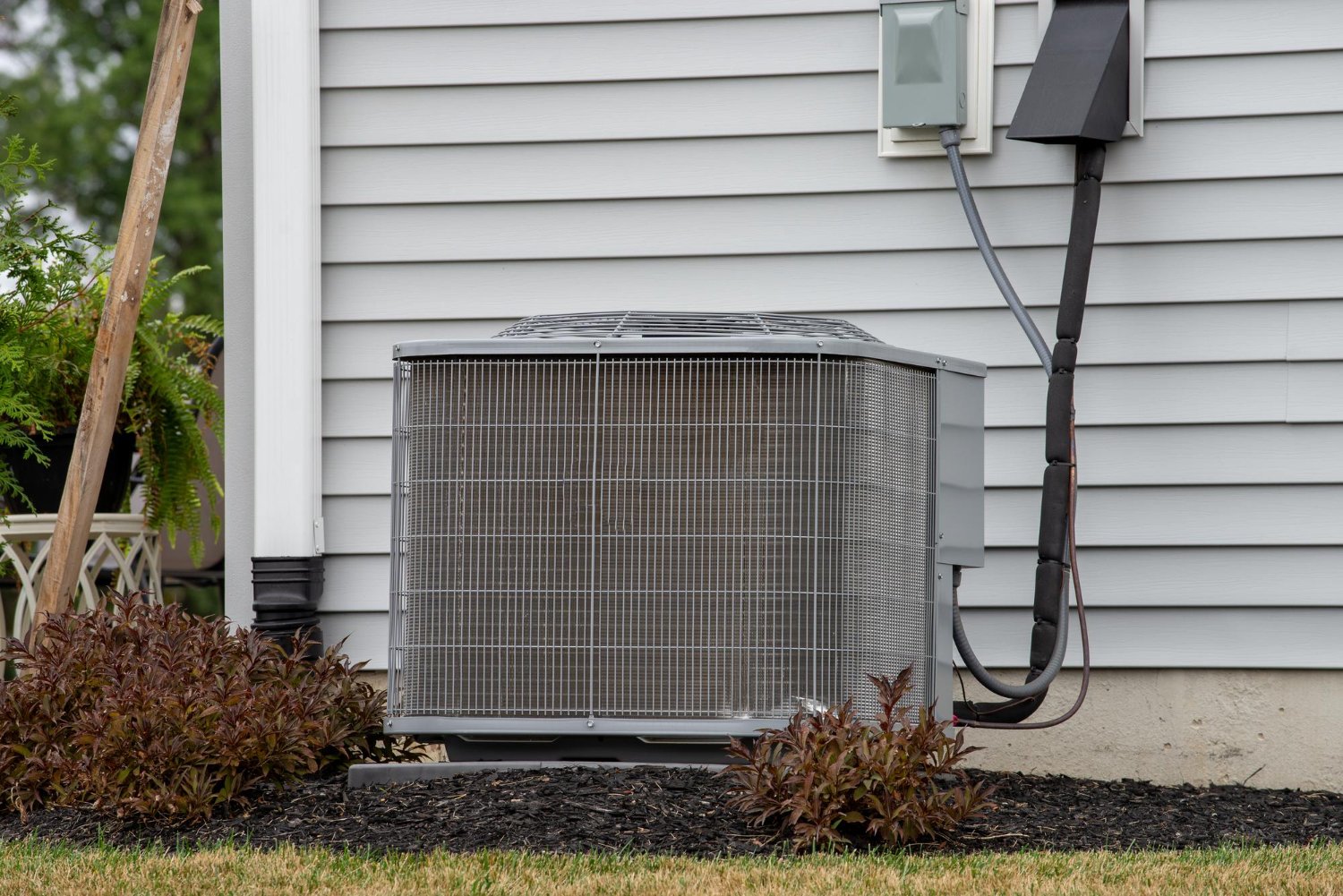
• Trim any shrubs or weeds around outdoor units
Because Flower Mound often deals with high pollen levels in spring and dusty air in summer, filters can clog up faster than you might expect. If filters aren’t checked or replaced on schedule, you could end up with all sorts of problems, from warm spots in certain rooms to higher energy bills.
A clogged filter can cause rooms to heat up, freeze coils, or even damage your system if left unchecked for too long. That’s why knowing about air filters and indoor air quality matters for every homeowner. Staying on top of these routine changes gives your HVAC system a head start, keeping your family comfortable through the most dramatic shifts in weather.
Stay Comfortable by Planning Ahead
Spring always creeps in quicker than we think. If you put off regular checkups until the last minute, it might be tough to get an appointment before the hottest days hit. Waiting until summer for HVAC system maintenance and inspection could leave you on a waitlist with a broken unit in 90-degree heat. Planning early gives you time to decide what your home really needs, before the stress and rush of peak cooling season.
By keeping an eye on how your home handles the changing weather, you’ll avoid surprises and stay more comfortable year-round. Each house in Flower Mound has a unique layout and history, so even identical systems may act differently from one block to the next. Every home in Flower Mound is a little different, but with the right habits and timing, your HVAC system can stay ready for whatever North Texas throws at it.
FAQs
1. What’s the most common HVAC problem in Flower Mound, TX homes?
Uneven cooling is common, especially in multi-level homes or older properties with aging systems.
2. When should I schedule a routine HVAC inspection?
Late winter or early spring is a smart time to check your system before temperatures rise.
3. How often should I change my air filter?
Once a month, during heavy use or allergy season, especially in Flower Mound’s dusty and pollen-heavy months.
4. Can pollen affect my HVAC system?
Yes. Pollen buildup can block filters and affect airflow, making your system work harder than it needs to.
5. Why does my AC run constantly during summer?
It could be undersized or struggling with humidity. Energy loss from poor insulation doesn’t help either.
6. What kind of HVAC system works best for Flower Mound homes?
It depends on your home’s size, layout, and insulation. Central air is common, but heat pumps are gaining popularity.
7. Why does my utility bill spike during seasonal changes?
Your system may be struggling with frequent on/off cycling or may not be sized correctly for your home’s changing needs.
8. Is it bad to skip spring maintenance?
Skipping seasonal checks can lead to surprise breakdowns and higher repair costs later.
9. How can I tell if it’s time to replace my system?
Watch for high energy costs, frequent repairs, or a system older than 10–15 years.
10. Do I need professional help for basic maintenance?
Some tasks you can watch at home, like filter changes, but it’s safer to let licensed pros handle the more technical parts.
Spotting System Warning Signs
Ready to ensure your home stays comfortable year-round? With the ever-changing North Texas climate, it’s crucial to stay proactive about your HVAC needs. As you prepare for the upcoming seasons, consider a comprehensive HVAC system replacement to enhance your home’s efficiency and comfort. Contact the HVAC experts at Rite NOW A/C and Heating, who can be trusted to provide personalized service tailored to Flower Mound’s unique climate challenges.