
How Can You Make Your First Texas Summer With Central Air a Breeze?
Central air can turn a North Texas house from “barely surviving” to “ahh, this feels great” on a hot afternoon. Window units help, but they usually leave some rooms muggy, loud, or just plain uncomfortable.
If you are thinking about AC installation for a home for the first time, it pays to plan ahead. You will want to know whether your home is ready, what kind of work might be needed, and how to ensure you get the comfort you are paying for.
Our team at Rite NOW A/C, Heating & Plumbing is based right here in the Denton area. We are a family-owned HVAC and plumbing company that has been helping North Texas homeowners stay comfortable since 1980, and we know what our summers can do to a house.
Is Your Home’s Electrical System Ready for AC Power?
Central air needs its own circuit, enough space in your panel, and safe wiring. Older homes sometimes need upgrades before AC installation or replacement to ensure the system is safe and reliable.
Central AC pulls more power than a few window units on separate outlets. Instead of plugging into a wall outlet, your system will be wired directly to your electrical panel with a dedicated breaker. If your panel is tiny or already stuffed full, it may not have room for the new circuit.
Common issues we see in older North Texas homes include:
- Panels that are too small for modern HVAC
- Breakers that trip often when big appliances start
- Old wiring that is not grounded the way it should be
A licensed professional should look at:
- Panel size and available breaker spaces
- Condition and rating of existing breakers
- Grounding and bonding for safety
This check helps prevent nuisance trips, overheating wires, and other problems that are not obvious until the first big heat wave hits.
Do Your Ducts and Vents Need an Upgrade?
For efficient AC installation for a home, ducts should be sized correctly, sealed tightly, and laid out so each room gets the right airflow.
If you already have ductwork from a heater or an old system, some or all of it might still work. But if the ducts are in rough shape, your new AC can struggle from day one. Signs of duct trouble include:
- Rooms that never match the thermostat setting
- Whistling or rattling sounds in the ceiling or floor
- Dust blowing out of vents when the system starts
Ducts affect:
- Comfort, by balancing airflow from room to room
- Noise, if the layout is awkward or air is forced through small runs
- Energy use, if air leaks into the attic instead of your living space
Sometimes we can reuse most of the ducts and just seal or slightly resize certain runs. Other times, full AC replacement is smarter than trying to patch years of issues. A careful inspection will show which path makes sense.
How Do You Pick the Right Size AC for Your Home?
The right system is picked with a load calculation, not guesswork, so you avoid hot spots, sticky air, and big power bills.
“Bigger is better” sounds nice, but it does not really work for AC. If a system is too large, it cools the air too quickly but shuts off before it can remove enough humidity. That can leave your home cool but clammy. An undersized unit runs all day and still cannot keep up.
Professionals use a Manual J load calculation to size heating and cooling systems. That means we consider things like:
- Square footage and ceiling height
- Insulation levels in walls and attic
- Window size, direction, and glass type
Sun exposure on west-facing rooms, shade from trees, and air leakage around doors all matter too. When these details are measured, you get a system that cycles properly, controls humidity better, and has a better chance of lasting longer.
How Does Home Prep Make AC Installation Day Smoother?
Clear paths, a good spot for the outdoor unit, and a quick tidy-up can make your installation faster and cleaner.
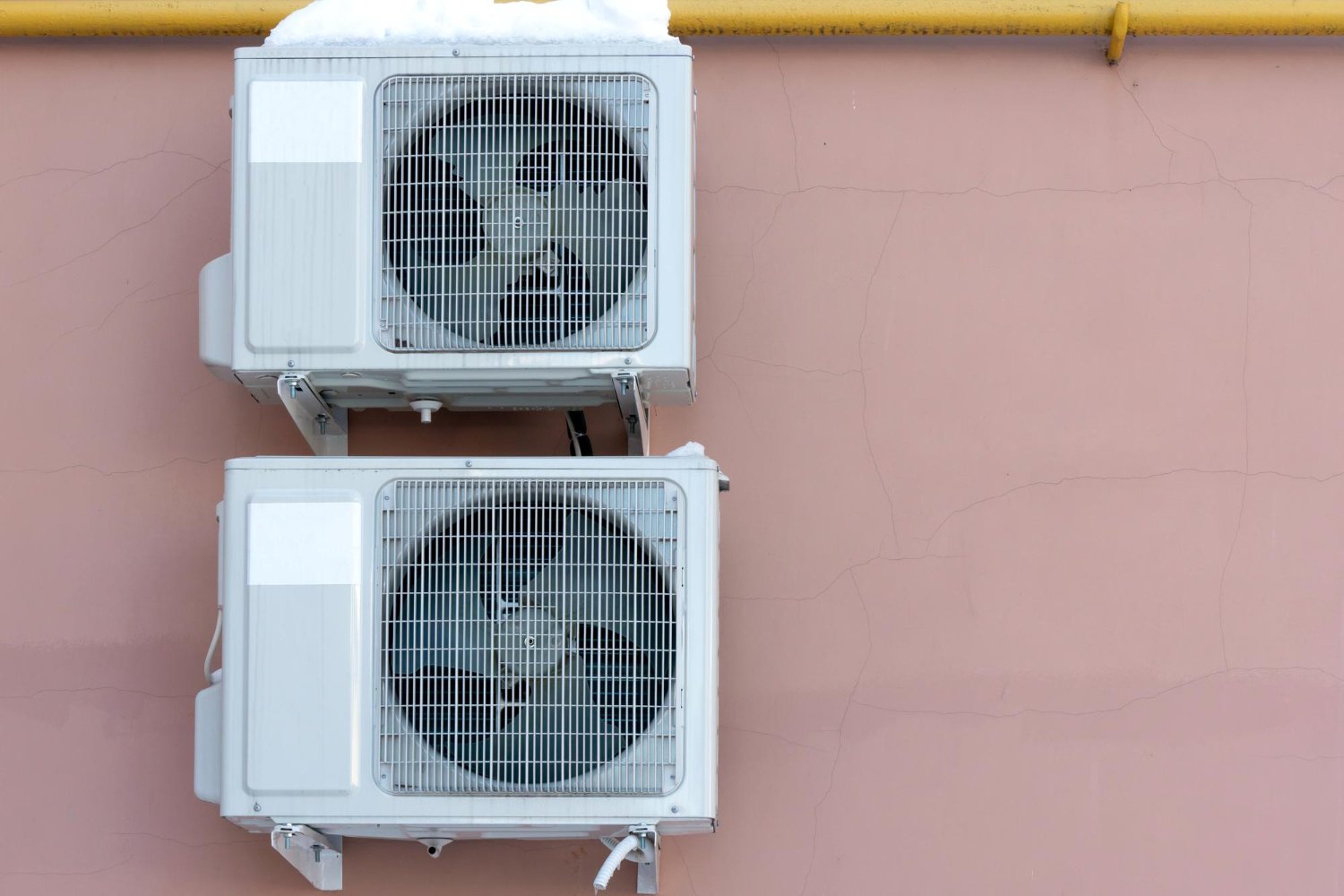
The outdoor condenser needs a level, sturdy spot with room for airflow. It should be away from bedrooms, if possible, to reduce noise, and not right under a dripping gutter. Keeping a bit of open space around it also makes future service much easier.
Inside the home, simple prep steps help a lot:
- Clear hallways and access to the attic or closets
- Move fragile decor and small furniture out of tight spots
- Plan where pets will be so they stay safe and calm
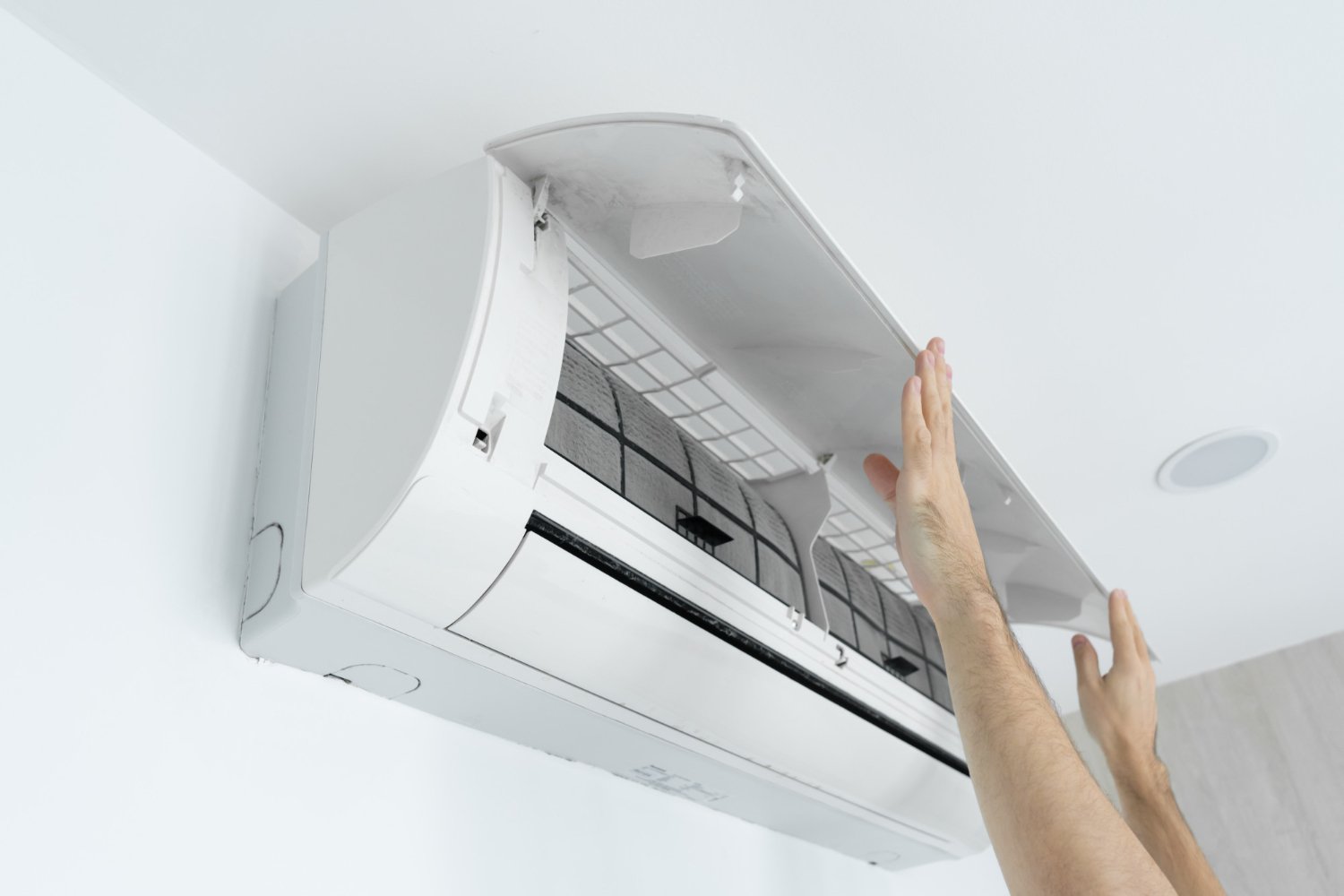
A typical first-time AC installation day might include removing any old equipment, running or adjusting ducts and lines, setting up the outdoor unit, wiring and testing the system, and then walking you through operation. The more open and ready your home is, the smoother this goes.
Can First-Time Central Air Improve Indoor Air Quality?
Yes. With the right filters, ventilation choices, and humidity control, central air can help your home feel cleaner and fresher.
A new system is a great time to upgrade filtration. Options include:
- Standard disposable filters
- Larger media cabinets that catch more particles
- Optional air cleaners that help with smoke or allergens
North Texas humidity can creep up, especially after rain. Good AC installation for a home, with proper sizing and duct design, helps manage humidity so rooms feel comfortable without feeling damp. Return vents in the right places help pull stale air back to be filtered and cooled, instead of letting it sit in closed-off corners.
How Much Should You Expect to Invest and Save?
Central AC is a big investment, but modern, efficient systems can lower monthly bills over time and may add to your home’s value.
Total cost depends on things like:
- Size of your home and system
- Need for new ductwork or electrical upgrades
- Filtration or air quality add-ons you choose
SEER2 ratings give a general sense of how efficiently a system uses energy. Higher ratings typically mean lower power use for the same cooling. Over the years, many homeowners see less strain on their utility bills compared with older equipment or several noisy window units. Some areas also offer rebates or financing options, which can make the step into central AC easier to manage.
Why Choose a Local Family-Owned Pro for First-Time AC?
Local professionals know North Texas homes, codes, and weather, and they are around to stand behind the work for the long haul.
Working with a Denton-based, family-owned company brings some real benefits:
- Familiarity with local building styles and common issues
- Clear, honest estimates and plain-language explanations
- No high-pressure sales tactics
Just as important, you get a team that plans for the full life of your system, not just installation day. That means regular tune-ups, guidance on filter changes, and support if anything seems off later. When your first summer with central air arrives, that peace of mind matters.
FAQs About First-Time Central Air Installation
Most single-family homes are completed in one day, sometimes two if duct or electrical upgrades are needed. The installer can give a more accurate time frame after an in-home evaluation.
Not always. A properly sized, newer system often cools more evenly and can be more efficient than several older window units running at once.
Not in every case. Many homes can keep the existing heater while adding a new indoor coil and outdoor condenser. Age and condition guide that choice.
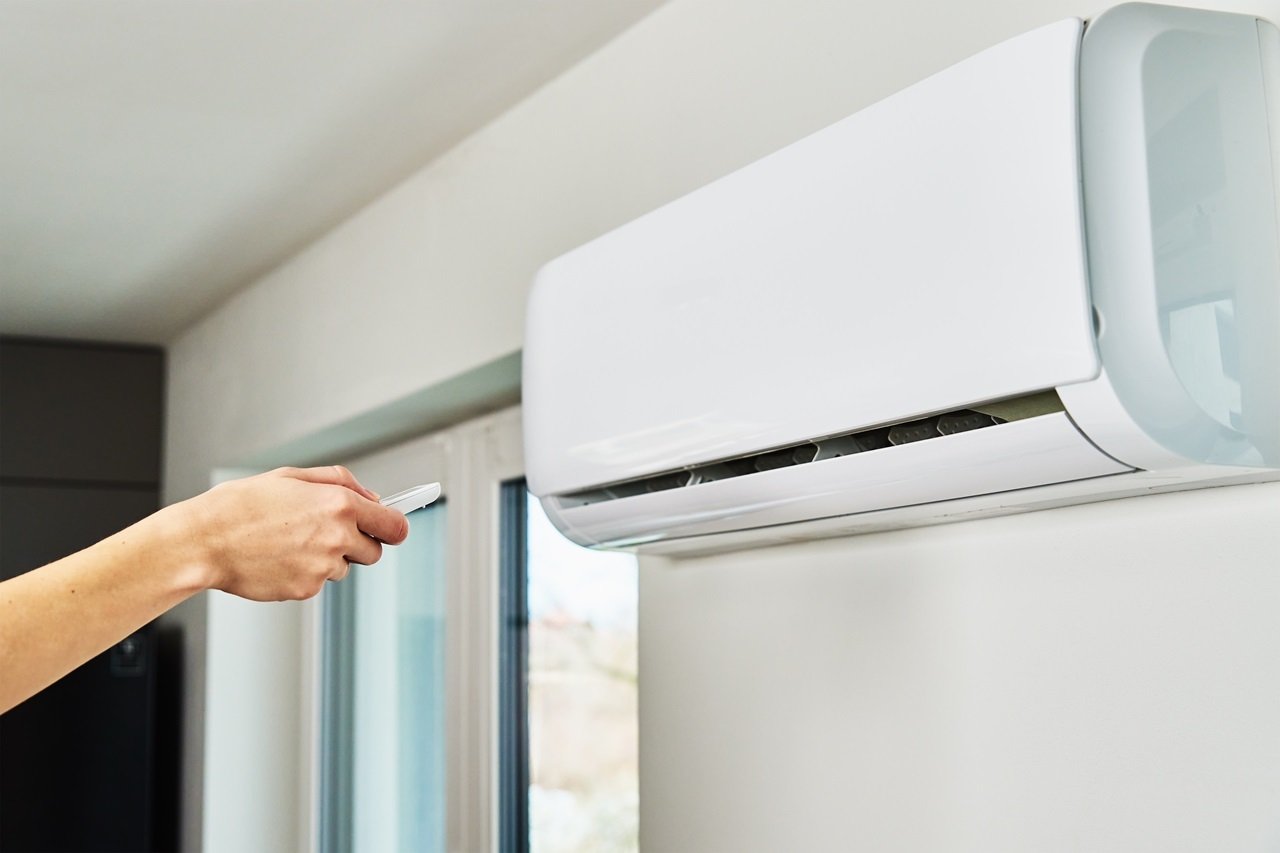
Most people in Texas feel good between about 74 and 78 degrees. A programmable thermostat can raise the temperature up when you are gone to help save energy.
Plan on professional HVAC maintenance at least once a year before peak heat. Filters should usually be checked monthly and replaced every 1 to 3 months.
A careful installer keeps cutting to a minimum and repairs any access points. Many homes already have chases, closets, or attic routes that can be used.
Yes. Options can include adding full duct systems, using attic or closet air handlers, or choosing ductless mini-split setups if ducts are not a good fit.
Late winter and early spring often bring more flexible scheduling. Your system is ready before the heat really ramps up, so you are not waiting in a hot house.
Yes. A correctly sized system runs long enough to pull moisture from the air, so your home feels cooler and less sticky even at slightly higher thermostat settings.
In many areas, yes. Local utilities or manufacturers may offer rebates, and many HVAC companies provide financing options to spread out the investment.
Enjoy Reliable Comfort With Expert Home AC Installation
If you are ready to upgrade your cooling, we can guide you through every step of your AC installation for a home that fits your space, budget, and comfort needs. At Rite NOW A/C, Heating & Plumbing, we focus on honest recommendations, quality equipment, and clean, efficient workmanship. Have questions or want to schedule your visit? Simply contact our AC installation experts, and we will help you get started.