Winter can be tough on pipes, especially with the increased use that comes during colder months when people stay indoors more often. Showers, kitchens, and laundry rooms get a workout, and all that extra use leads to buildup faster than you might think. Small clogs can turn into big headaches if they’re not handled early. That’s why local drain cleaning matters. It helps keep things moving smoothly and catches early warning signs before bigger issues show up. With a little planning and some good habits, it’s easier than you’d expect to stay ahead of those winter plumbing problems.
Look for the Early Warning Signs
Most drain problems don’t come out of nowhere. They often leave clues before turning serious. Catching these signs early can save time, stress, and cleanup.
• Slow-draining sinks or tubs can mean buildup is growing inside the pipe
• Gurgling sounds in toilets or drains may signal trapped air caused by a blockage
• Unusual smells coming from kitchen or bathroom sinks often mean food, grease, or other waste is stuck inside
Winter use increases how often these signs pop up. With more cooking, more laundry, and more indoor activity, clogs have more chances to show up, and show up fast.
What Not to Pour or Flush
We’ve all been tempted to rinse something down the drain that doesn’t belong there. But what feels like a shortcut now can cause problems later. In winter, cold pipes allow certain substances to solidify faster, creating blockages that are harder to break apart.
• Never pour grease, oil, or fat down the kitchen sink
• Toss coffee grounds, eggshells, and fibrous food scraps in the trash instead
• Keep all wipes, even ones marked “flushable,” out of the toilet; they don’t break down and clog pipes fast
• Avoid flushing paper towels, cotton products, or anything not made to dissolve in water
Sticking to these rules helps prevent backups that often occur when plumbing is already under pressure from extreme cold weather and heavy home use. If you’re tackling a clog, it’s best to avoid chemical drain openers for clogged drains, since they can damage pipes and harm septic systems. Paying attention to these details is especially helpful in winter, when waste hardens quickly and is tougher to break apart.
Why Drain Cleaning Should Be Local and Professional
Not all plumbing systems face the same issues, which is why it’s helpful to have someone with local knowledge take care of your drains. Homes in Denton, Texas, often have older plumbing systems or lines that run through soil that expands and contracts with the seasons. That means even small clogs can affect your home differently depending on where it sits and what kind of pipes are in place.
Local drain cleaning matters because:
• The soil and climate affect how often lines shift, settle, or break
• Store-bought cleaners may temporarily clear a slow drain, but they often miss deeper clogs or cause long-term damage to your pipes
• Local pros understand the common materials used in homes nearby and the most likely points of failure
Having someone check your drains regularly, especially in winter, can help catch root issues, grease buildup, or small leaks waiting to get worse. If those inspections uncover other concerns, such as leaks or water damage, they may point you to helpful fixes, such as professional plumbing repair services, that address underlying plumbing issues before they worsen. Knowledge of the Denton area, especially in changing winter weather, can make all the difference in how a plumber approaches your home’s specific needs.
Safe Plumbing Habits to Keep Things Flowing
Keeping drains clear doesn’t require a full overhaul. It starts with a few small habits that make a big difference. These routines don’t take much effort, but they can prevent major issues over time.
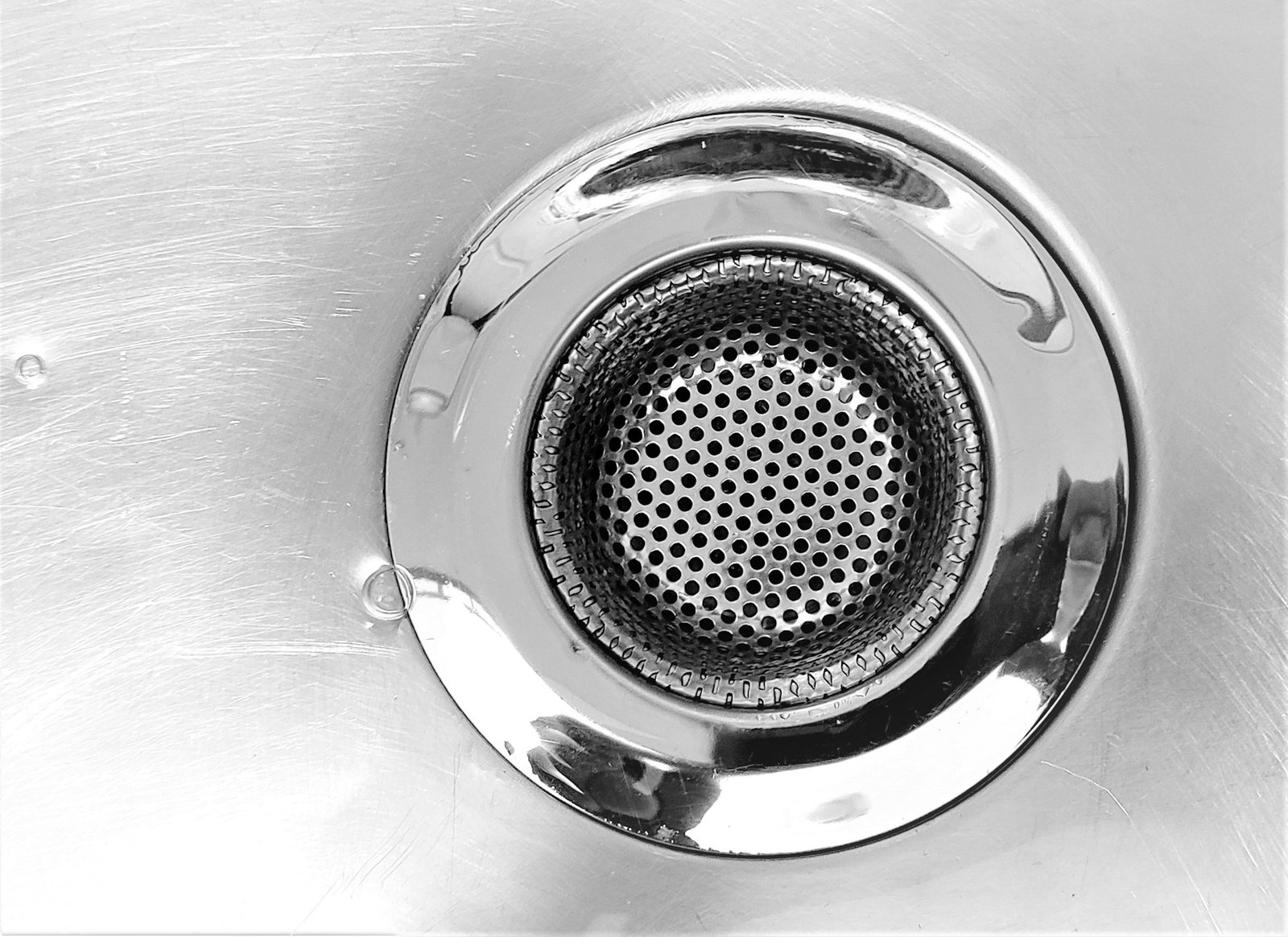
• Use mesh strainers in sinks and tubs to catch hair, food bits, and debris before they slip down the drain.
• Run hot water through less-used drains every week or two to keep traps full and clear.
• After the holiday season or deep freezes, consider a quick seasonal inspection to stay ahead of any surprise problems.
• Avoid washing large amounts of food down garbage disposals; it’s easy to overload the system without realizing.
You can also find more great ideas in these simple home plumbing maintenance tips that help protect pipes year-round. Practicing these habits now helps keep water flowing as it should all winter. Taking a little time to adopt these habits, especially during winter, really pays off by helping avoid plumbing troubles before they start.
Seasonal Changes and Soil Shifts That Affect Drain Lines
Winter might seem like a break for outdoor plumbing, but it’s actually one of the trickier times of year under the surface. Colder temperatures in North Texas can cause the soil to contract. That shift puts pressure on underground pipes and can cause cracks or misaligned joints.
• When soil gets dry and hard, tree roots start moving further to find water, sometimes sneaking into older lines
• If your home has shallow plumbing or heavy tree cover, the chances of winter damage from roots or shifting soil go up
• Drain lines that were already stressed or full of debris may suddenly fail when the ground changes shape beneath them
Being aware of how the changing season affects your pipes helps you decide when it’s the right time to check for a hidden clog or crack. If your plumbing setup includes equipment that may not have been installed correctly, knowing the signs of improper water heater installation can help you catch problems early. By noticing changes early, you can act quickly, and that can make a big difference when you’re dealing with cold weather, heavy soil shifts, or tree root growth.
Keep Drains Clear and Stress Low This Winter
A clean drain means peace of mind, especially during colder months when you’re home more often, and plumbing gets more use. Staying on top of what goes down the sink or toilet, along with watching for small changes in water flow or odor, can help you avoid emergencies.
Winter doesn’t have to be a high-risk season for plumbing problems. With simple steps and the right timing, you can take care of your home’s drains and avoid messy surprises when temperatures dip.
FAQs
What are signs that I need local drain cleaning?
Slow draining, gurgling sounds, and foul smells are all signs your drains may need cleaning.
Should I use store-bought drain cleaners?
It’s better to avoid them. They can damage pipes and only treat surface issues.
How often should I have my drains cleaned?
Once a year is a good rule of thumb, but more often if your home has older plumbing or big trees nearby.
Why does winter affect my drains?
Colder temps harden grease and shift soil around pipes, which can cause slowdowns or breaks.
Can I flush “flushable” wipes?
No. Even if the label says flushable, they don’t break down like toilet paper and often clog pipes.
Is local drain cleaning different from regular cleaning?
Yes, local pros know what problems are more common in your area and how to treat them safely.
What should I not pour down the kitchen sink?
Grease, oils, coffee grounds, and food scraps should all be thrown in the trash, not the drain.
Why do I have to clean drains if they’re not clogged?
Routine cleaning helps prevent clogs from forming and keeps your plumbing running smoothly.
What helps keep my bathroom drains clear?
Using a drain screen and regularly removing hair can help keep things flowing.
Do tree roots really grow into drains?
Yes, especially in winter when roots spread deeper and search for moisture in cracked pipes.
Winter can put a strain on your home’s plumbing, but you don’t have to handle it alone. Stay ahead of potential issues and keep your home running smoothly with local drain cleaning services from Rite NOW Plumbing. Our team understands the unique challenges of the Denton area and provides expert solutions tailored to your needs. Contact the expert plumbers at Rite NOW Plumbing and trust us to keep your drains clear and your stress levels low all season long.