Denton AC Installation Walkthrough for Homeowners
A new AC should cool your home quietly, evenly, and without drama. The difference between a rushed “slap it in” job and a professional AC installation is comfort you can feel, lower stress, and fewer surprises when the inspector shows up.
In North Texas, where temperatures can jump quickly in spring, getting your system set up right before the big heat hits is smart. We will walk through permits and code requirements in Denton, how to get your home ready, what an install day should look like, and the post-installation tests you should ask to see to ensure your system is set up correctly.
Permits, Codes, and Simple Red Flags
For AC replacement in Denton and nearby cities, a permit is usually required. That permit helps protect you on several fronts:
- City inspectors check basic safety
- Code-compliant work helps support resale value
- Insurance and manufacturer warranties expect permitted installs
From your side, the permit process is simple. Your contractor should:
- Pull the permit through the city
- Schedule inspections as needed
- Be present or available when the inspector arrives
- Provide you with copies or explain how to access them
Keep any permit info, inspection notes, and your installation invoice with your home records. They come in handy when you sell or have an insurance claim.
Key code points in North Texas often include:
- Correct system sizing by Manual J load calculation, not guesswork
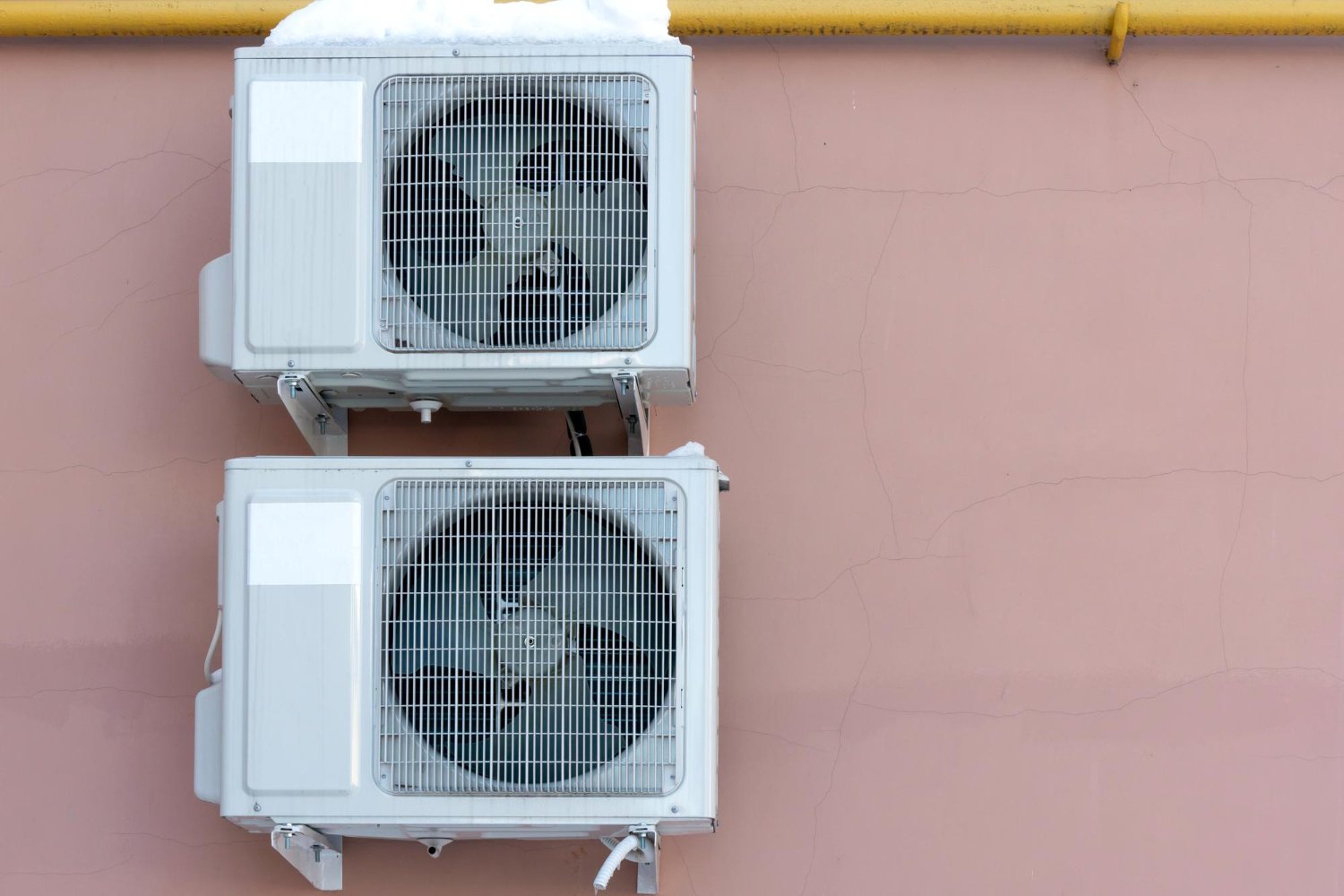
- Proper electrical protections and an outdoor disconnect near the condenser
- Correctly sized and sloped drain lines and a secondary safety float when required
- Safe attic access, a light, and a working service platform if your air handler or furnace is in the attic
Red flags to watch for:
- A contractor saying, “We don’t need a permit.”
- “Cash discounts” that skip inspection
- Vague answers when you ask how the job meets current code
Home Prep and What Install Day Should Look Like
A little prep keeps install day smoother and cleaner. Inside, try to:
- Clear paths to the thermostat, indoor unit, attic entrance, and electrical panel
- Move or cover breakable items near work areas
- Keep pets in a closed room or with a friend
- Let kids know workers and tools will be in the home
Outside, it helps to:
- Trim shrubs and clear debris around the outdoor pad
- Unlock gates and move grills or patio furniture away from the unit area
- Make sure the electric meter and any main disconnects are easy to get to
If you are planning a spring AC installation, remember doors may be open more than usual, and your system will be off for part of the day. Decide where your family will hang out and what you need handy while the AC is offline.
A professional AC installation day usually follows a clear pattern:
- Arrival, introductions, and a quick walkthrough
- Floor and surface protection in work paths
- Power shutoff and safe removal of the old equipment
- Setting and connecting the new indoor and outdoor units
- Line set work, drain lines, and electrical connections
- System start-up, testing, and cleanup
Good crews communicate. You should hear things like:
- Confirmation of equipment model and size
- Where new or replaced parts will be located
- Rough timing for each phase
- Clear updates if they spot damaged ducts, weak electrical, or anything unexpected
To stay informed without hovering, simple questions work well:
- “What step are you on now?”
- “Is there anything you are seeing that I should plan for later?”
The Commissioning Tests You Should See
Once the system is physically in place, it needs to be tested and tuned. This is called commissioning. It is more than “it is blowing cold, you are good.”
Commissioning uses instruments, not guesswork. If you do not see gauges, thermometers, or a manometer come out, that is a concern.
A complete commissioning includes at least:
- Static pressure checks
- Refrigerant charge checks
- Airflow and temperature checks
Do not be shy about asking, “Can you walk me through your readings?” A good tech can explain the basics in plain language and show how it ties to comfort, efficiency, and the manufacturer’s specs.
Static Pressure, Refrigerant Charge, and Airflow Tuning
Static pressure is like blood pressure for your duct system. It is the resistance the air feels as it moves through the ducts. Too high and you get:
- Noisy vents
- Hot and cold spots
- Extra strain on motors and parts
Techs measure static pressure with a manometer, usually at the return and supply. For most modern systems, there is a recommended range from the manufacturer. If readings are high, it can point to:
- Undersized or clogged returns
- Filters that are too restrictive
- Kinked or crushed flex duct
A professional installer will explain what they found and suggest duct changes or future upgrades if needed.
Refrigerant charge and airflow work as a team. Even a perfectly sized system will struggle if:
- The refrigerant level is off
- The fan speed or duct setup does not move enough air
During a proper startup, you should notice:
- Gauges hooked up at the outdoor unit
- Thermometers or probes at return and supply vents
- The technician checks superheat and subcooling based on the current outdoor conditions
- Notes going onto a startup or commissioning form
They will also check the temperature split across the indoor coil to confirm airflow. When charge and airflow are dialed in:
- Your bills can be lower than with an older unit
- The system runs quieter and starts and stops less often
- Parts are under less stress, which helps reduce breakdowns
Some homeowners who are planning AC replacement also use the visit to talk about other comfort upgrades, such as water heater installation options.
Comfort Checks, Thermostat Setup, and FAQs
Near the end, a professional install wraps up with:
- Room-to-room comfort checks
- Airflow checks at vents and returns
- Verifying that the system starts, runs, and shuts off as expected
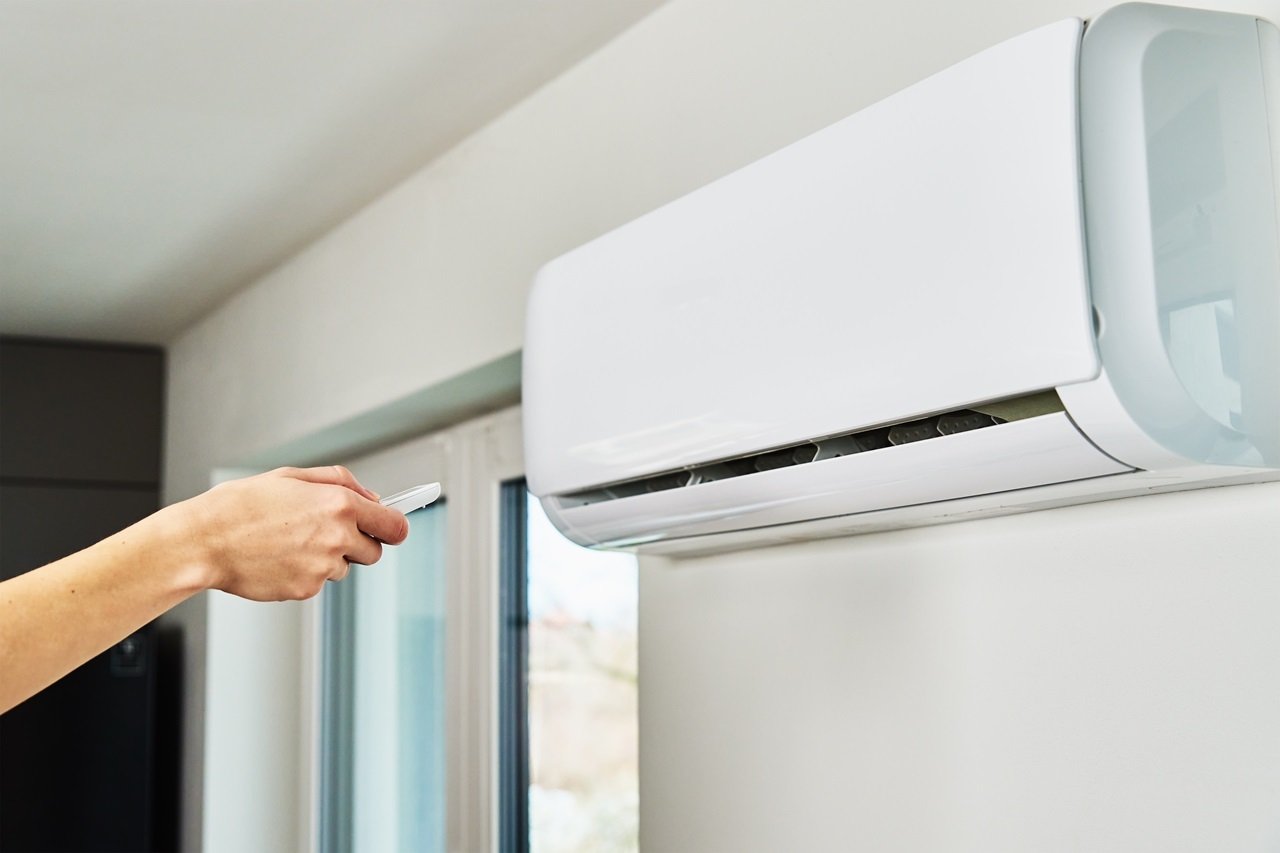
Your tech should walk you through thermostat basics, like:
- Good starting setpoints for North Texas heat
- When to use Auto vs On for the fan
- Simple daily or weekend thermostat programming ideas
- How to adjust for mild spring days compared to peak summer
Before they leave, ask for a quick tour of:
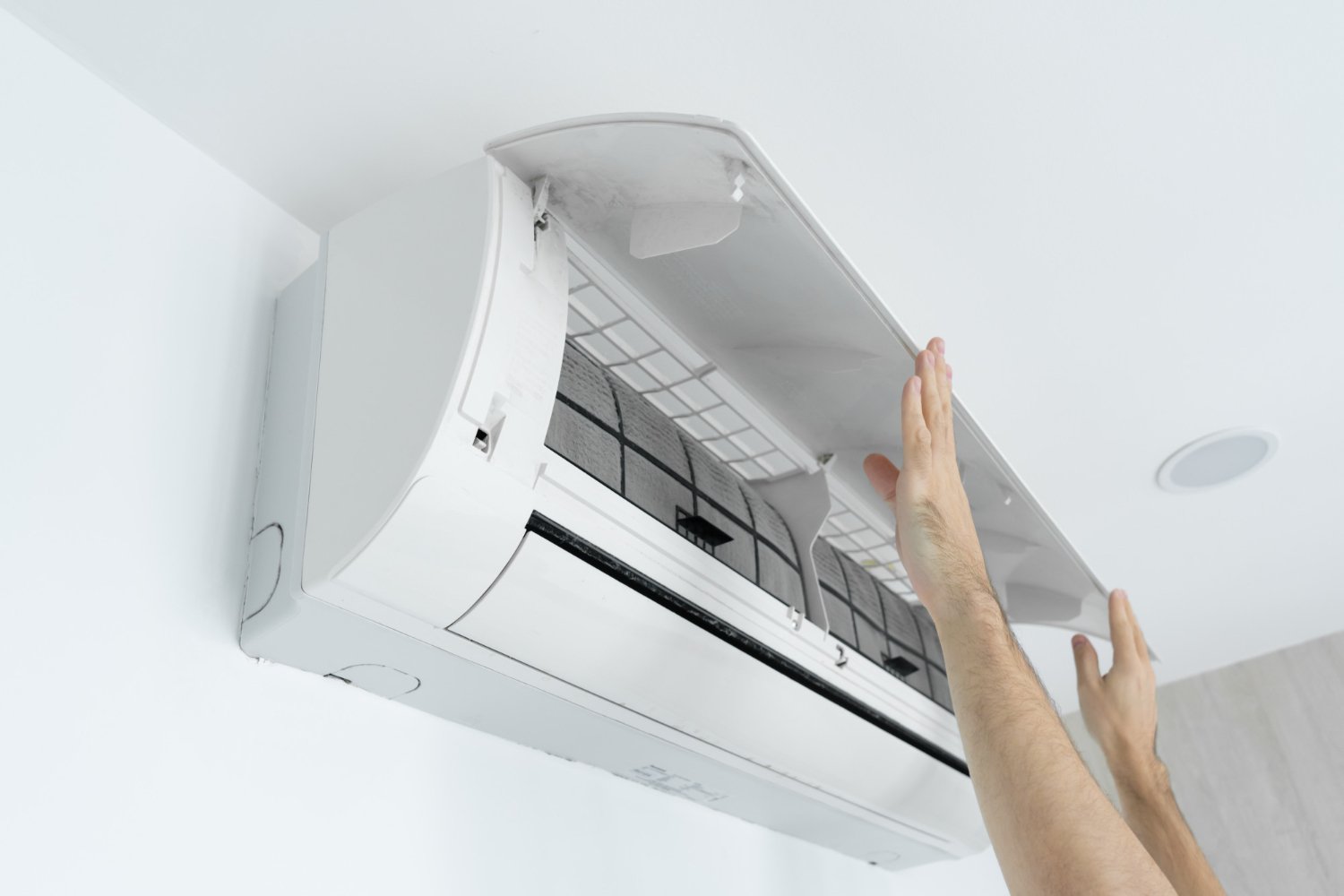
- Filter location and how often to check or change it
- Any float switches or safety shutoffs
- Where the main indoor and outdoor units are
- Simple steps to try before calling for service, like checking the filter or thermostat mode
Keep these items together for future reference:
- Warranty papers
- The installation invoice
- Model and serial numbers
- Any commissioning or startup sheet
FAQs about Professional AC installation in Denton:
Yes. Denton and most nearby cities expect permits for system replacements so the work can be inspected for safety and code compliance. Reputable contractors handle permits for you.
Most replacements take about one full workday. If there are duct changes, electrical upgrades, or accessibility issues, it can take longer.
Proper sizing should be based on a Manual J load calculation that looks at insulation, windows, orientation, and more. Simple “tons per square foot” rules can be misleading.
These tests confirm that the new system is not just running but is set up safely and efficiently. Skipping them can lead to higher bills, noise, and comfort issues.
Yes. Many homeowners stay home, but it is smart to plan quiet activities away from the main work areas because of noise, doors opening, and tools.
Clear access to all equipment and the electrical panel, move outdoor clutter from around the unit, secure pets, and decide where family members will spend time during the work.
A new, correctly sized and properly commissioned system often uses less energy than an older, worn unit, especially if the old system struggled to keep up.
Matched indoor and outdoor components usually perform better together and can help with efficiency and reliability, but an honest tech should review your current equipment first.
Plan on professional tune-ups at least once per year for cooling, and again for heating if you use a furnace, to help keep efficiency and warranties in good shape.
Professional installation with permits, code-compliant work, and real commissioning tests helps your new AC deliver the comfort, safety, and performance you paid for.
Get Started With Your Project Today
If you are ready to upgrade your comfort and efficiency, we are here to help you choose and install the right system for your home. Learn more about our professional AC installation services and see how we can tailor a solution to your needs. At Rite NOW A/C, Heating & Plumbing, we focus on doing the job right the first time so you can rely on your cooling system when it matters most. Have questions or want to schedule service now? Just contact our HVAC installation professionals.