Beat the Denton Heat with Smart AC Emergency Repair Choices
When your AC quits on a hot North Texas afternoon, it can go from “a little warm” to “we cannot live like this” very fast. Knowing what to do in those first few minutes can protect your home, your family, and your wallet.
In this guide, we will walk through what really counts as an AC emergency, what you can safely check yourself, how to stay comfortable while you wait, and how to make smart choices about repair or replacement so you are ready before the next Denton heat wave hits.
Stay Cool and Calm When Your AC Calls It Quits
Spring in Denton can flip to summer temps almost overnight. That is why March is a smart time to think about AC emergency repair, before your system has to run hard day and night.
Not every AC problem is an emergency. Some issues are annoying but can wait until regular business hours. Others need fast attention because they affect safety or can cause serious damage. The key is knowing the difference so you do not panic or ignore a real danger.
Our family-owned team at Rite NOW A/C, Heating & Plumbing has helped North Texas homeowners through all kinds of AC surprises. We focus on clear information, calm guidance, and helping you make good decisions even when the house feels like an oven.
How to Know If You Really Need AC Emergency Repair
Some AC problems should be treated as urgent, especially during extreme heat. You may need emergency repair if you notice:
- The system is blowing warm air during a heatwave
- Total AC shutdown when it is very hot, and the home cannot stay safe
- Burning or melting smells from the unit or vents
- Sparks, tripped breakers that will not reset, or other electrical issues
- Water leaks near electrical components
Other issues can usually wait for a standard AC repair visit, especially if the outdoor temperature is mild:
- Slightly weaker airflow in some rooms
- Small thermostat quirks when the home is still staying reasonably cool
- A degree or two of temperature swing that comes and goes
Before you decide on emergency service, run through this quick checklist in your head:
- What time of day is it, and how hot is it outside?
- Do you have kids, elderly family members, or pets that are sensitive to heat?
- Is the indoor humidity climbing and making it hard to breathe or sleep?
- Does anything smell like burning plastic, smoke, or hot wires?
If safety is at risk or the system seems dangerous, treat it as an emergency.
Smart Moves to Make Before the Technician Arrives
When the AC stops, there are a few safe steps you can take while you wait for help. These quick checks sometimes resolve simple issues and can also give your technician useful information.
Safe checks include:
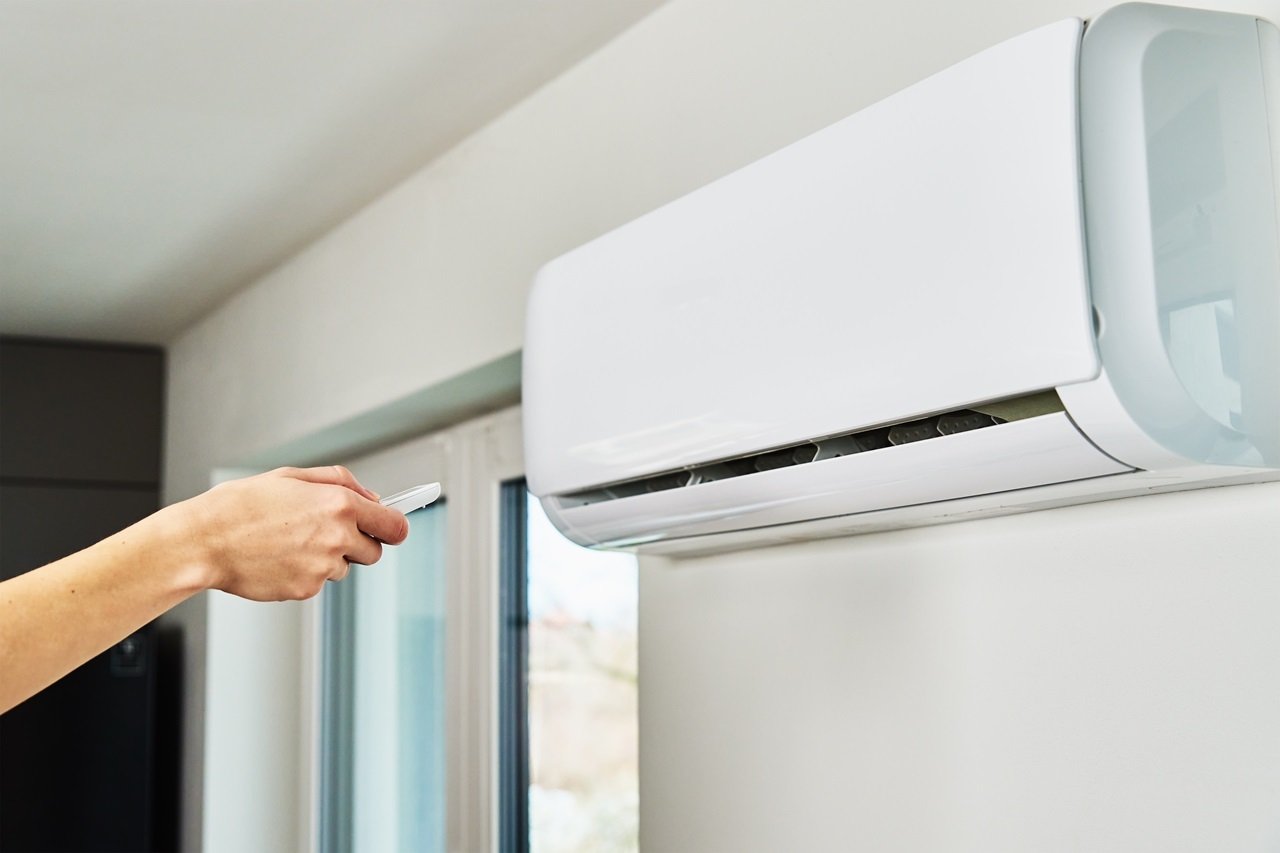
- Make sure the thermostat is on “Cool” and set below the current room temp
- Look at the breaker panel to see if the AC breaker is tripped
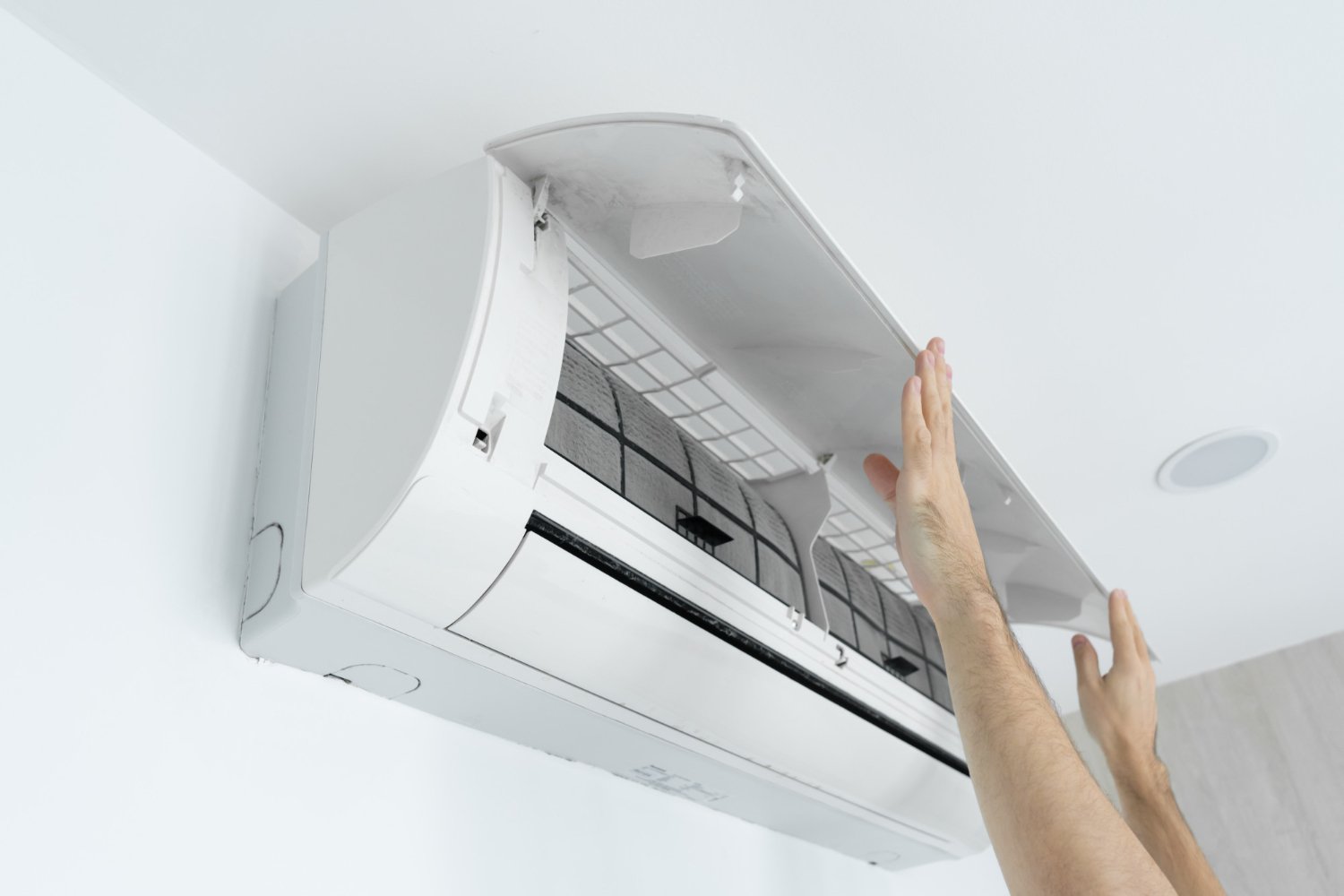
- Swap out a very dirty air filter with a clean one
- Confirm supply and return vents are open and not blocked by furniture or rugs
Just as important are the things you should not do:
- Do not open electrical panels or try to work on wiring
- Do not add refrigerant yourself or use “stop leak” products
- Do not keep running a unit that is frozen over with ice
While you wait, use simple comfort hacks:
- Close blinds and curtains on sunny windows
- Use ceiling and box fans to move air, but keep them on low or medium
- Drink plenty of water and avoid using the oven
- Stay in the coolest room, usually the lowest level of the home
If you suspect a plumbing backup or AC drain issue, it may also be time to look at plumbing repair options so you do not end up with water damage.
What to Expect From an Honest AC Emergency Visit
A good emergency visit should feel calm and clear, not pushy or confusing. When a reputable technician arrives, you can expect:
- A friendly greeting and a quick safety check of your system
- Questions about what you noticed, when it started, and any smells or sounds
- A focused diagnosis of the AC and related components
- A simple explanation of what went wrong and what your options are
Usually, your choices fall into one of three buckets:
- Quick repair, such as a minor part or wiring issue
- Recommended part replacement to prevent the same failure from happening again soon
- Talk about full system replacement when the current unit is old, unreliable, or very inefficient
You should get upfront pricing before any work is started and a clear breakdown of what each option means for your comfort and your long-term costs. Good communication helps you feel confident instead of rushed.
Repair Now or Replace Soon: Make the Budget-Smart Call
When the AC fails, it is tempting to just say “fix it fast” and move on. Sometimes that is the right move. Other times, you are better off planning for a replacement.
Factors to think about include:
- Age of the system and how often it has needed repair
- Size of your energy bills compared to past seasons
- Whether the system is still under warranty
- The type of refrigerant your system uses
- How often you have had to call for help in the last few years
In the short term, a repair may get you through the season. In the long term, a newer, more efficient system can help lower energy use and reduce unexpected breakdowns, especially before Denton’s toughest summer stretches.
Financing options, rebates, and scheduling an AC installation during off-peak times can turn a future “emergency” into a planned upgrade rather than a stressful crisis.
Spring Tune-Ups, FAQs, and Staying Ready for the Next Heatwave
Spring is a great time for an AC tune-up before your system is running all day. A thorough check can catch:
- Weak capacitors that struggle to start the unit
- Low refrigerant that leads to freezing coils
- Dirty coils that make the system work too hard
- Drainage issues that can cause leaks inside your home
Regular AC maintenance helps reduce emergency calls, extend system life, and often aligns with warranty requirements. It also gives a trained tech a chance to spot related plumbing or drain concerns before they turn into ceiling stains or soggy floors.
Here are common questions homeowners in Denton ask about AC emergency repair:
Anything that affects safety, involves burning smells or electrical issues, or leaves your home unsafe in extreme heat should be treated as an emergency. Comfort problems on mild days usually can wait.
Response time depends on call volume, time of day, and location, but emergency calls are typically treated as a top priority.
If the noise is new, loud, or getting worse, it is usually safer to turn the system off and wait for a technician to check it.
Freezing can come from airflow problems, low refrigerant, or other issues. Turn the system off and let it thaw. If it keeps freezing, you need professional service, especially in hot weather.
Costs vary based on the problem, parts needed, and time of service. An honest tech will review options and pricing before work begins.
If the home can stay comfortable and safe overnight, it may be fine to wait for a regular visit. If anyone in the home is sensitive to heat, treat it as more urgent.
Skipping maintenance lets small issues grow into big failures, so yes, it raises your odds of sudden breakdowns.
Look at the unit’s age, repair history, comfort level, and energy use. If you are paying for frequent fixes and still uncomfortable, replacement may be the smarter call.
Close blinds, use fans, avoid heat-producing appliances, and stay in the coolest part of the home. Drink water and keep pets and kids in shaded areas.
Many full-service HVAC companies work on both cooling and heating systems, so you can get help in every season when comfort emergencies pop up.
Restore Comfort To Your Home Fast With Expert Help
When your AC quits unexpectedly, you should not have to wait and wonder if help is coming. At Rite NOW A/C, Heating & Plumbing, we prioritize rapid response AC emergency repair to get your system running again as quickly as possible. If you need immediate assistance or would like to discuss your options, contact our AC emergency services now so we can help you restore a safe, comfortable home.