What Really Happens During an AC Repair Visit in Denton
When your AC quits during a North Texas heat wave, it feels urgent fast. The house is warming up, the thermostat is creeping higher, and everyone is getting uncomfortable. Knowing what happens next, from the moment you call in the problem to the moment cool air comes back, can take a lot of the stress out of the day.
We want to walk you through what a real AC repair visit looks like in Denton. You will see how dispatch sets priorities, what our technicians check first, which parts fail most often, what usually gets fixed in one visit, when a second visit is needed, and how to reduce repeat breakdowns so your home is ready before the serious heat hits.
From Phone Call to Doorbell: Your AC Repair Timeline
When you call for air conditioner repair in Denton, TX, the first step happens with dispatch. We do not just toss you into a random time slot. We look at urgency so the toughest situations get help fast, and your home can get back to feeling comfortable again.
Our team will usually ask a few key questions:
- Is there any cooling at all, or is it completely warm air?
- Are there kids, elderly family members, or health concerns in the home?
- Are you seeing water leaks, tripped breakers, or smelling something burning?
- How old is the system, and has it had recent problems?
Your answers help us:
- Set priority for your visit
- Block the right amount of time
- Stock the truck with likely parts and tools
You will get an arrival window and ETA updates. If the system is short-cycling, making loud grinding or buzzing noises, or smells odd, it is usually safer to turn it off at the thermostat while you wait.
Before the technician even pulls up, they review your service history. That includes:
- Past repairs
- Age and type of equipment
- Notes from previous recommendations
Our trucks are stocked with common parts used in North Texas systems, such as capacitors, contactors, fan motors, fuses, basic thermostats, drain materials, and refrigerant. When we arrive, you will see a marked vehicle, uniform, and shoe covers ready to protect your floors, so the visit feels organized from the start.
Inside the Diagnosis: What Techs Check First
The first 10 minutes are about gathering clues. The technician will usually start with a quick talk right at the door:
- When did the problem start?
- Any loud pops, hums, or rattles?
- Any recent power outages or breaker trips?
- Did you change the thermostat or filter right before the issue?
From there, we move into fast checks that rule out simple but common causes:
- Thermostat settings and batteries
- Air filter condition
- Breakers in the main panel and AC disconnects
- Emergency shutoff switches for the indoor unit
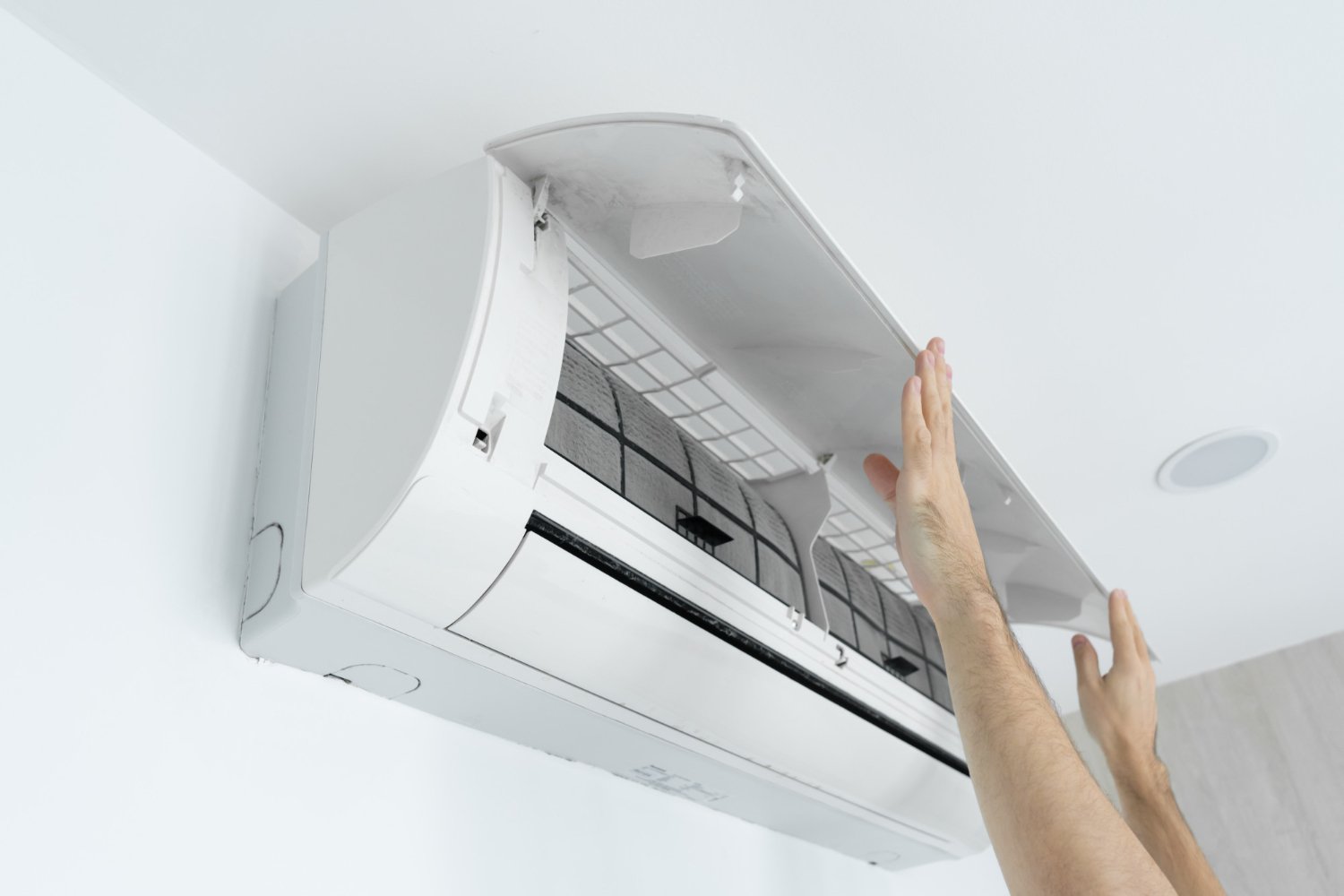
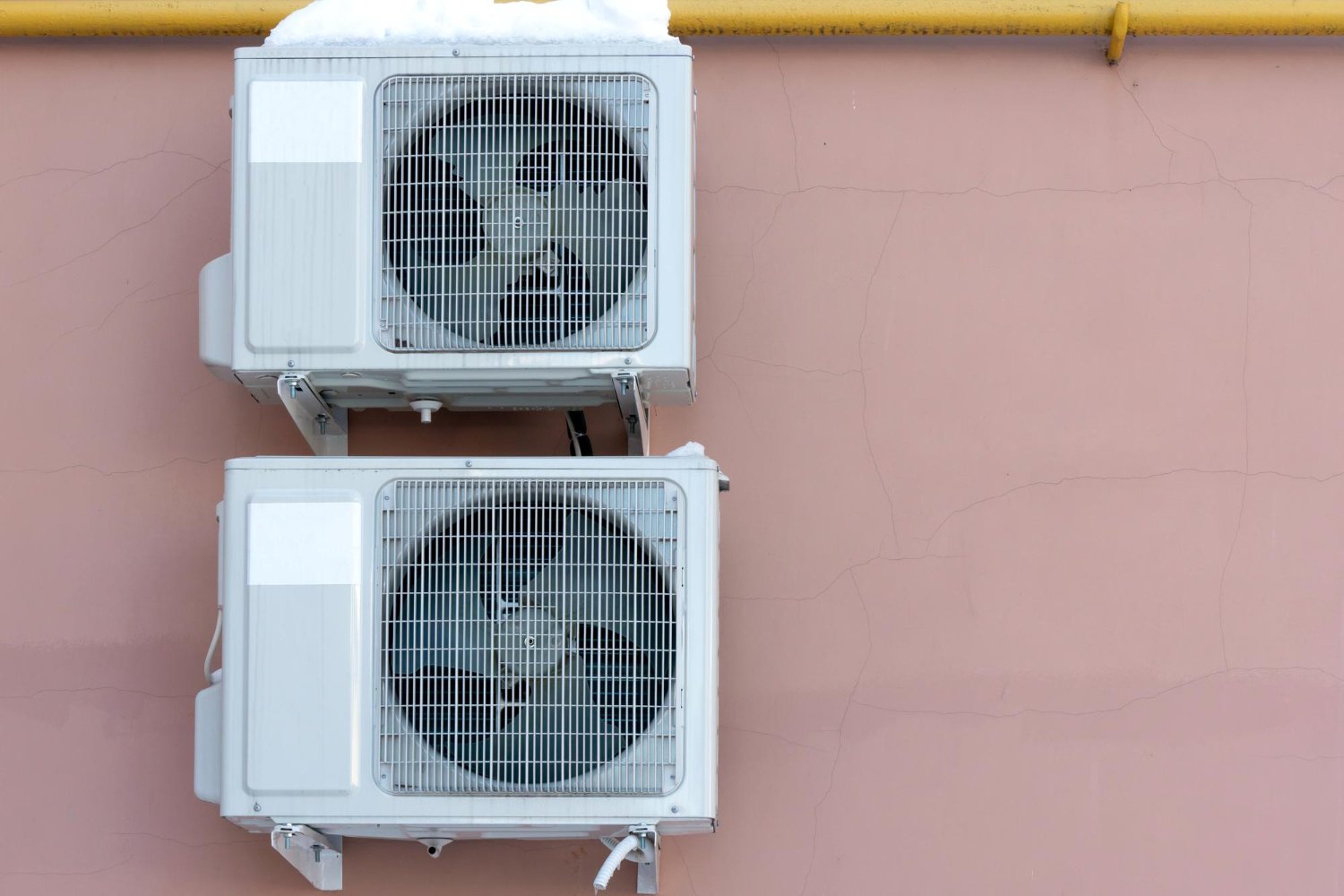
- A quick look at the indoor and outdoor units for obvious damage
We also keep safety in mind. That means watching for burnt wires, signs of overheating, refrigerant oil spots that could point to a leak, and clogged drain lines that could overflow and damage ceilings or walls.
Next comes deeper system testing. A typical detailed diagnosis might include:
- Temperature readings at supply and return vents
- Airflow checks and static pressure readings
- Inspecting coils to see if they are dirty, frozen, or bent
- Testing capacitors, contactors, relays, and transformers with meters
- Checking fan motor and compressor amp draws against safe ranges
The goal is to find the true cause of the failure, not just swap the first part that looks suspicious. That is how professional AC repair work helps prevent the same breakdown from popping back up a few weeks later and keeps your system running smoothly.
Common Parts Replaced, Same-Day Fixes, and Return Trips
Most no-cooling calls in Denton are tied to a handful of usual suspects. We see a lot of:
- Weak or failed capacitors
- Worn contactors
- Indoor or outdoor fan motor issues
- Clogged drain lines and float switch trips
- Blown fuses or low-voltage transformer problems
- Thermostat failures
From a homeowner’s view, that can feel like:
- Outdoor unit humming but the fan not spinning
- System trying to start, then clicking off
- Warm or barely cool air from vents
- Water around the indoor unit or in the drain pan
For these issues, truck-stocked parts often mean a same-day repair, so you can get back to normal life quickly. Once we diagnose the problem, we explain:
- What failed and why
- What we recommend fixing
- Any options to protect the system going forward
You get clear options before we do work, and when possible we show you the failed parts so you can see what went wrong.
Most electrical failures, many fan motor swaps, drain line clogs, and small, accessible leaks can be handled in one visit. Weather and time of day can affect how we test final performance, since a blazing hot afternoon will push the system harder than a mild morning.
Sometimes a bigger, more detailed repair plan is needed. A return visit might be required for:
- Large refrigerant leaks that need more extensive repair
- Special-order or brand-specific parts
- Warranty-only components
- Serious ductwork or airflow problems
When that happens, we document everything: photos, readings, model and serial numbers, and part notes. The goal is for the follow-up visit to be tight and focused, not another round of guessing, so you spend less time waiting and more time enjoying a comfortable home.
As systems age, there is often an honest talk about repair versus replacement. We usually look at:
- System age and past repair history
- How often it has been breaking down
- Comfort problems like hot and cold spots
- Energy use and utility bills
Sometimes the most reliable form of air conditioner repair in Denton, TX, is helping you plan for a modern replacement that offers better comfort and efficiency, rather than continuing to invest in a system that is near the end of its useful life.
How to Avoid Repeat AC Breakdowns
Once your AC is cooling again, the next step is keeping it that way. Over the first 1 to 3 days, pay attention to:
- New or returning noises
- Odd smells when the system starts
- Any short cycling or long run times
- Rooms that still do not cool evenly
This is a great time to ask your technician for simple setting tips, like:
- Smart thermostat schedules that fit North Texas weather
- Fan settings that work best for your home
- How low you can safely set the temperature without risking freeze-ups
There are a few basic homeowner habits that help systems stay healthy:
- Change filters on a steady schedule
- Keep grass, leaves, and clutter away from the outdoor unit
- Avoid DIY refrigerant or electrical work
Regular preventive care is just as important for your AC as it is for your car. A seasonal tune-up in spring and another check before heating season can include:
- Cleaning coils
- Tightening electrical connections
- Verifying refrigerant levels
- Inspecting and flushing drain lines
- Testing safety switches
If you want even more structure, an HVAC maintenance plan with documented checkups, priority service, and repair discounts can help stretch the life of your system and cut down on emergency calls. Good maintenance also supports your plumbing system, since shared drain issues can affect both, and some homes pair AC visits with needed plumbing repairs to knock out two to-dos at once.
FAQs About AC Repair Visits in Denton, TX
Most simple repairs take about 45 to 90 minutes once the technician arrives. More complex diagnostics or multiple issues can take a couple of hours, but the goal is always to get you comfortable again as quickly as possible.
Clear a path to your thermostat, indoor unit, and outdoor unit. Secure pets, write down recent symptoms, and note any sounds, smells, or error codes on your thermostat so you do not have to remember them on the spot.
Yes. The technician diagnoses the system first, then explains what is wrong and goes over options and pricing before doing the repair, so there are no surprises.
Many common issues can be handled the same day because trucks are stocked with typical parts. Special-order items, major leaks, or warranty-only parts may require a return visit, but those are planned in advance so the follow-up is quick and efficient.
Usually no. Running a struggling system can freeze coils, damage the compressor, or cause water damage from condensate overflow. It is safer to turn it off and get it checked so you avoid a bigger repair.
Most homes do well with at least one full AC check per year, ideally in early spring before the long, hot season ramps up. Many homeowners enjoy even more peace of mind with a maintenance plan that includes heating checks, too.
Frequent breakdowns, rising energy bills, uneven temperatures, and an older system that now needs a big repair are all signs it may be time to consider replacement for better comfort and reliability.
You should be there at the start to provide access and answer questions. After that, you can work or relax in another room while the tech works, and the technician will update you before any decisions are made.
Yes. Clogged filters reduce airflow, which can lead to freeze-ups, motor stress, and compressor problems. Keeping filters clean is one of the easiest ways to protect your system and keep your air feeling fresh.
Many Denton homeowners choose spring or fall for upgrades, when the weather is milder, and schedules are more flexible. Planning ahead gives you more time to compare options and choose an energy-efficient system that fits your home and budget.
Restore Reliable Comfort To Your Home Today
If your AC is struggling to keep up, we are ready to help you get your home comfortable again with expert air conditioner repair in Denton, TX. At Rite NOW A/C, Heating & Plumbing, we diagnose the problem quickly and explain your options clearly so you can make a confident decision. Reach out to us today to schedule service or ask questions about your system, and we will respond promptly. You can also contact our HVAC repair specialists to find a time that works best for your schedule.